




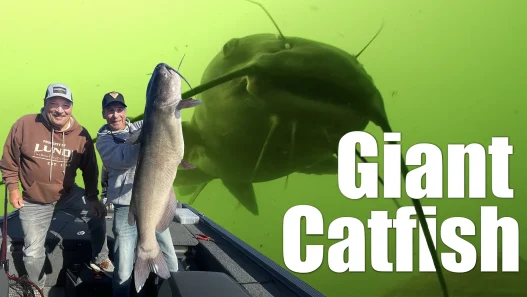






During the summer bass position on a variety of structures in different depths. Here, Al and James Lindner use their electronics to pinpoint fish location and depth, then deploy lures designed to dive right into the strike zone.
Mastering Crankbait Techniques for Summer Peak Bass Fishing
Over the years, the Angling Edge team has successfully utilized crankbaits to catch an incredible variety of fish species. From freshwater favorites like pike, muskie, walleye, bass, trout, salmon, crappie, and bluegill to numerous saltwater, inshore, and offshore species, crankbaits consistently deliver impressive results. The popularity of crankbaits among anglers is straightforward—they simply catch fish.
Diversity in Crankbait Selection
Crankbaits are renowned for their versatility. They come in numerous shapes, sizes, and colors designed to attract fish under various conditions. Naturalistic colors imitate real baitfish, while bright attractor patterns are particularly effective in murky waters or aggressive feeding scenarios. Additionally, the explosion in custom colors has further expanded anglers’ options, catering to specific local conditions and fish preferences.
Body shape and diving lips significantly impact a crankbait’s performance, particularly its maximum running depth. Baits exhibit various actions—some wiggle vigorously, others wobble subtly; some suspend at mid-depth, others sink or float rapidly. Each feature makes them adaptable for targeting fish at different depths and behavior patterns.
Crankbaits in Action: Summer Peak Bass Fishing
To illustrate crankbait effectiveness, let’s join Al and James Linder as they dive into the nuances of summer peak bass fishing. During this period, bass congregate along deeper weed lines and structural edges, responding enthusiastically to crankbaits. These locations often hold schools of largemouth bass that aggressively compete for prey, creating prime opportunities for crankbait fishing.
Leveraging Technology for Enhanced Success
Modern sonar technology greatly enhances crankbait fishing efficiency. Anglers today have access to down imaging, 2D sonar, side imaging, and especially the innovative 360-degree sonar, which offers a comprehensive view around the boat. Using 360-degree sonar, anglers can pinpoint features such as old bluegill bedding areas—prime locations where bass frequently congregate after spawning periods.
Identifying these bedding sites is essential because bass often linger near these structures to feed on baitfish retreating from shallow spawning areas to deeper weed edges. The clarity and detail provided by modern sonar systems help anglers strategically position their boats and make precise casts, significantly boosting their catch rates.
The Rapala DT Series: A Proven Performer
One standout lure series for bass fishing is Rapala’s DT (Dives-To) line. These baits feature a thin, precision-designed diving lip and are crafted from buoyant balsa wood, complemented by internal rattle chambers. The DT series ranges in diving depth from shallow-water models to deep-diving versions reaching depths up to 20 feet.
The DT’s buoyancy is particularly advantageous—it backs up quickly when paused, triggering reaction strikes from following fish. Due to these attributes, the DT series has consistently been one of the most productive crankbait families ever developed, especially for largemouth and smallmouth bass.
Recently, Rapala expanded the line with the DT-8, responding to anglers’ requests for a lure ideally suited for mid-depth weed lines and structural edges, areas where summer peak bass frequently congregate.
Techniques for Effective Crankbait Fishing
Successfully fishing crankbaits isn’t merely about selecting the right lure—it involves precise execution and an understanding of bass behavior. When targeting weed edges, Al and James emphasize parallel casting along weed lines, maintaining optimal lure depth, and varying retrieval speeds to provoke reaction strikes.
Parallel fishing involves aligning the boat at the depth where weeds thin out, then casting along the contour rather than directly perpendicular to it. This technique efficiently covers productive zones, allowing anglers to systematically comb large areas and identify active fish clusters.
Additionally, alternating retrieve speeds, incorporating pauses, and using rod tip movements to impart erratic lure actions can significantly enhance strike rates. This approach keeps the bait in the strike zone longer and mimics distressed prey, appealing to aggressive bass.
Mastering Crankbait Techniques for Summer Peak Bass Fishing (Continued)
Triggering Strikes: Key Techniques
Crankbait fishing success often comes down to precise timing and tactical maneuvers. Anglers frequently encounter situations where their bait becomes momentarily snagged on weeds or underwater vegetation. In such cases, a quick, sharp pop of the rod tip to free the bait can often trigger aggressive reaction strikes from nearby bass, as illustrated vividly when James hooked into a fish precisely during such a maneuver.
Essential Tools: The Bubba Hook Extractor
Handling crankbaits, particularly those equipped with treble hooks, poses some hazards due to fish thrashing at the side of the boat. A highly recommended accessory that significantly improves safety is the Bubba hook extractor. This specialized tool effectively keeps your hands safely away from sharp hooks and thrashing fish, reducing the risk of injuries, particularly when dealing with aggressive species like northern pike.
The Bubba hook extractor is available in two sizes—one designed specifically for larger hooks suitable for pike, muskies, and saltwater fishing, and a smaller version perfect for standard bass-sized crankbaits. The convenient design includes a hook-grabbing mechanism that simplifies hook removal, making it a favorite among anglers who frequently use crankbaits.
Rod and Reel Selection for Crankbait Fishing
Selecting appropriate tackle significantly enhances hookup and landing percentages when crankbait fishing. Al and James prefer St. Croix Victory series rods, which are specifically designed for crankbait applications. Al utilizes a 7-foot-2-inch medium-heavy, moderate-action “Power Target Cranker” rod. This particular rod’s moderate action is ideal for crankbaits, allowing the angler to react slower to bites, reducing premature hooksets, and greatly improving hookup rates.
They pair these rods with Daiwa Tatula SV TW 103 baitcasting reels, which feature a 6.3:1 gear ratio. Modern crankbait anglers commonly prefer this gear ratio because it offers better control and retrieval speed balance, compared to the historically popular slower ratios.
For line, a 12-pound Sufix fluorocarbon is their preferred choice. Fluorocarbon provides excellent sensitivity, abrasion resistance, and low visibility underwater, critical attributes when fishing crankbaits around weeds and structure.
Versatility of Crankbaits
Throughout the warmer months, crankbaits excel across a variety of habitats—from rocky structures and weed edges to expansive flats. Their versatility and ability to cover water efficiently make them indispensable tools for bass anglers aiming for consistent success during the summer peak. Crankbaits reliably produce quality bass under various conditions, confirming their reputation as one of the most versatile lure categories available to anglers.

