


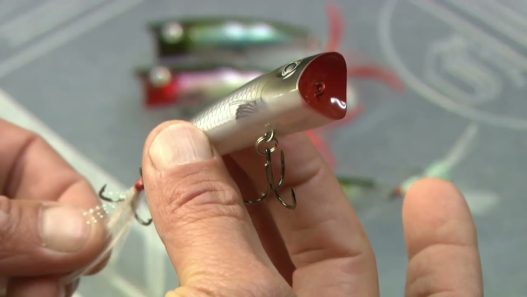

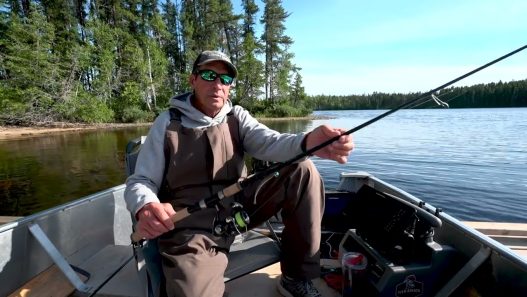




Jigging up walleye is on of the most popular and favorite methods used to catch walleyes. Jeremy Smith and Ty Sjodin use Hardball jigs and soft plastics for jigging up old marble eyes.
Ask a dozen seasoned walleye anglers about the most versatile tactic, and you’ll likely hear a range of passionate answers. Some will champion the live bait rig for its adaptability—perfect for shallow water, deep breaks, and everything in between. Others will point to the effectiveness of crankbaits, which excel when cast over shallow rock, worked through deep weed beds, or trolled across vast mid-depth basins. Crankbaits have helped many renowned anglers build their reputations.
Yet, perhaps the most universally relied-upon method among both professionals and weekend warriors alike is the humble jig. Ball head jigs, in particular, are simple, effective, and versatile. Whether tipped with plastic or live bait, they can be cast, dragged, snapped, or even slow-trolled. Add a minnow, leech, or crawler, and they become even deadlier. It’s no wonder most walleye anglers don’t hit the water without at least one jig tied on.
Welcome to Lac Seul: A Canadian Walleye Paradise
To put the jig to the test, Jeremy and Ty head to a dream destination—Lac Seul Wilderness Resort in Ontario’s Sunset Country. Situated on the western side of massive Lac Seul, just south of Ear Falls, this location is a bucket-list destination for walleye fanatics. On their first day back in Canadian waters after years of travel restrictions, the anticipation is palpable—and the fishing doesn’t disappoint.
“Fishing is outstanding,” Jeremy exclaims. “Just fish after fish. It’s great to be back in Ontario.”
Almost immediately, they’re landing quality walleyes, including some surprisingly big fish. It’s nonstop action—a welcome reward after the long wait at the border crossing. The sheer abundance of fish, untouched for over a year, makes it clear why Lac Seul is considered one of the finest walleye fisheries in the world.
Lac Seul Wilderness Resort: Perfect Basecamp for Anglers
Lac Seul Wilderness Resort is purpose-built for fishermen. The camp features modern housekeeping cabins, a private boat launch, quality rental boats, great docks, and a bait house on site. Hosts Scott and Heidi Ellerly go above and beyond to ensure guests are well cared for. Scott, a dedicated angler himself, is always ready to share his knowledge on where to find fish and how to catch them.
But truthfully, you don’t need to go far—there are fish virtually everywhere. The challenge isn’t finding walleyes; it’s finding the right ones. While many spots hold fish, not every location produces the size or numbers you’re after. That’s where good decision-making and a bit of tech can really pay off.
Leveraging Technology to Find Fish
While the team emphasizes that expensive gear isn’t necessary to catch fish at Lac Seul, Jeremy walks through the advanced setup on their boat for those wanting to step up their game. His system includes electronic mapping, 2D sonar, down imaging, side imaging, 360 imaging, and live imaging—a complete suite of modern fish-finding tools.
For starters, a solid electronic map is a must for navigating Canadian Shield lakes like Lac Seul. Jeremy uses the Ontario V2 chip, with red highlighting for shallow zones (10 feet or less) and green for their target depth (18–23 feet). This quick visual reference helps identify productive zones and avoid hazards.
2D sonar remains essential for seeing fish directly beneath the boat, especially in rocky areas. Down imaging provides more detail, confirming whether you’re looking at baitfish, structure, or big predators. Side imaging is key for identifying transitions—such as where rock turns to sand—and for spotting isolated structures off to the sides.
Power of Modern Trolling Motors
One major game-changer is the trolling motor’s spot-lock feature. In the past, anglers had to constantly adjust boat position in windy conditions. Now, a single button press keeps you locked on a productive spot. This allows for more relaxed and precise fishing, even in 30 mph winds.
With this tech, the crew is able to hover over schools of walleyes and pick them off one by one. The fish are positioned throughout the water column, not just hugging bottom. On-screen, they can even see walleyes rise to intercept their jigs in real time.
Why Live Bait Still Has Its Place
Although artificial baits often do the trick, there are times when live bait rules. The previous evening, the walleyes were aggressive, smashing plastics and jigging raps. But by the next day, things changed—they weren’t showing up on electronics as readily and were more subtle in their bites. Dropping a live minnow turned the tide again.
Jeremy recalls past trips where minnows turned an average outing into a lights-out experience. On Lac Seul, especially, where walleye behavior can shift quickly, having a bucket of live bait on board can be the difference between a decent day and a great one.
Jig Fishing: A Timeless Classic
As conditions shift, one truth remains: jigging is king on Lac Seul. It’s simple, effective, and adaptable. Whether paired with plastics or live bait, jigs are a staple for Canadian walleye fishing year-round. Jeremy and Ty repeatedly demonstrate how little effort it takes to put fish in the boat using this time-tested technique.
They’re currently using the new VMC Hardball jig—a jig specifically designed with Canadian walleye trips in mind. Sturdy, sharp, and versatile, it’s ideal for both plastics and live bait presentations in a variety of conditions.
Fine-Tuning the Jig Setup: Gear, Baits, and Technique
As Jeremy and Ty continue jigging up walleye after walleye on Lac Seul, they emphasize the importance of having the right gear to stay efficient—starting with the jig itself. They’re using the VMC Hardball Jig, a classic round ball head with premium upgrades that make it ideal for the rugged Canadian Shield. It features:
- A high carbon steel hook with black nickel finish
- A molded keeper to hold plastics securely
- Clean hook ties, ready to use right out of the package
- Available in bulk 25-packs, ideal for trips where snags and toothy critters are common
For bait, they’re alternating between live minnows and soft plastics, depending on how aggressive the walleyes are. When fish are fired up, the Big Bite 4″ Sensation Slim Minnow has been deadly—thanks to its lifelike profile and fish-attracting scent. And a simple trick? Super gluing plastics to the jig head saves time and bait, allowing one soft plastic to last for a dozen or more fish.
Matching Jig Weight to the Presentation
Jeremy and Ty use different jig weights depending on the bait and how they’re fishing it:
- 3/8 oz jigs for soft plastics, which allows for more aggressive snaps and faster falls
- 1/4 oz jigs for live bait, perfect for a more finesse-oriented approach
These variations help them dial in the bite as fish moods change throughout the day.
The Line Setup: Sensitivity and Strength
When it comes to line, they’re running braided mainlines with fluorocarbon leaders. The braids of choice are Sufix 832 and the premium Sufix 131, both in 10-lb test. The 832 has been a staple for its high-visibility yellow (great for seeing subtle bites), while the newer 131 offers an impressively smooth and quiet feel. Though it’s not yet available in high-vis, it’s already become a favorite.
For leaders, they use Sufix Advanced Fluorocarbon in 12-lb test—heavy enough to withstand abrasion from rocks and toothy walleyes, yet still sensitive. It also saves time by reducing the need to re-tie after multiple fish and allows them to boat-flip walleyes with confidence.
Rods and Reels: Power, Sensitivity, and Speed
For snap jigging, they’re using St. Croix’s Legend Tournament Walleye Rod, specifically the 6’8” medium power, extra-fast action model. This rod offers:
- Excellent leverage for snap jigging
- A fast tip for sensitivity and quick hooksets
- Backbone for handling big fish and aggressive retrieves
Both anglers pair their rods with Daiwa 2500-size reels, a step up from the smaller 1000s often seen in walleye setups. The reasons are simple:
- Faster line pickup, essential when chasing fish spotted on electronics
- Better line management, especially with braid
- Lighter overall weight, without sacrificing performance
Daiwa’s reels are renowned for their buttery-smooth drag systems, from affordable models like the Revros to premium options like the Kage LT MQ. Regardless of price point, they deliver consistent performance that serious anglers appreciate.
Final Thoughts
Fishing Lac Seul with a jig may seem simple—but it’s far from basic. When combined with thoughtful gear selection, smart use of technology, and a love for the sport, jigging becomes not only the most productive technique but also the most fulfilling. It connects anglers to tradition, innovation, and the rhythm of wild Canadian waters.
And if you’re looking for a trip that delivers world-class fishing, breathtaking scenery, and a sense of timeless adventure, Lac Seul Wilderness Resort in Ontario’s Sunset Country should be at the top of your list.

