








There are certain times of the year when dock fishing can be absolutely incredible, and early summer is one of my favorites. Right after the spawn, largemouth bass are transitioning into their summer patterns. Some fish are heading toward deeper weedlines, some are setting up around emerging vegetation, and a surprising number of quality bass are positioning under docks where shade, cover, and food are all readily available.
When conditions line up, dock fishing becomes one of the most visual and rewarding ways to catch bass. Every cast is a target cast. You’re identifying specific pieces of cover, placing a bait precisely where a fish should be positioned, and waiting for that telltale thump.
Casting Accuracy Is Everything
If there’s one skill that separates average dock anglers from consistently successful ones, it’s casting accuracy.
Whether you’re fishing a skipping bait, stick worm, tube, or jig, the ability to place a lure deep underneath a dock is critical. Many of the biggest fish position in the darkest, hardest-to-reach areas where they receive the least fishing pressure.
A lot of anglers assume you need to position the boat close to the dock to make accurate casts, but in many situations I actually prefer staying farther away. This allows the bait to travel on a lower trajectory and skip farther underneath the structure. Similar to skipping a stone across the water, the lower the angle of entry, the farther the bait can penetrate beneath the dock.
The key is releasing the bait close to the water’s surface. When done correctly, the lure skips effortlessly and reaches fish that many anglers never touch.
Boat Control Matters More Than You Think
One aspect of dock fishing that often gets overlooked is boat control.
When you’re trying to put a bait into a one-foot opening between dock posts, pontoon lifts, or cross braces, even slight boat movement can ruin a cast. Wind, waves, and boat drift all work against you.
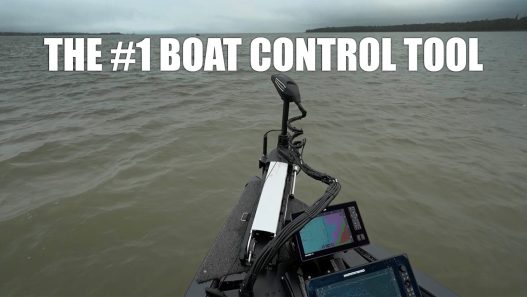
That’s why I constantly use my Minn Kota QUEST trolling motor to maintain position. In stronger winds, Talons can be invaluable for locking the boat in place.
Many times it’s actually more productive to stop, wait for the perfect boat position, and then make a precise presentation rather than continuously casting while drifting. Accurate bait placement consistently catches more fish than simply making more casts.
Why Bass Stay Shallow After the Spawn
In northern natural lakes, bass behavior changes rapidly throughout the summer.
Right now, many bluegills have recently completed their spawning cycle, and deep weedlines are still developing. Because of that, there are still plenty of bass utilizing shallow cover.
Docks provide several advantages:
- Shade during bright conditions
- Ambush points for feeding opportunities
- Protection from fishing pressure
- Nearby access to spawning and feeding areas
As bass begin recovering from the spawn, docks often become one of the most consistent locations to target quality fish.
The Best Skipping Bait Ever
One bait that has become a favorite of mine for dock fishing is the Big Bite Baits Best Skipper Ever.
At first glance, it doesn’t look like much, but the design is incredibly unique. The bait is built around a substantial body profile and is paired with a 4/0 extra-wide-gap hook. The additional mass allows the lure to skip exceptionally well and travel long distances underneath docks.
What makes the bait particularly interesting is its weight distribution. The heavier rear section causes the lure to fall backward on a slack line. After the initial skip, the bait glides backward as it sinks, creating a completely different presentation than most soft plastics.
As you move the bait forward and then pause, it naturally backs up again. Many bass will approach the lure as it moves away and then react when it unexpectedly drifts back into their strike zone.
Combined with the subtle movement from the bait’s claw-like appendages, it creates a highly effective dock-fishing presentation.
Slow Down When Conditions Get Tough
One mistake many anglers make around docks is fishing too quickly.
There are times when bass are positioned exactly where they should be, yet they refuse to react to an aggressively worked bait. Cold fronts, changing weather conditions, and fishing pressure can all make fish less willing to chase.
In these situations, slowing down becomes critical.
Sometimes the best presentation is simply skipping a bait underneath a dock and letting it sit. I’ve experienced many tournament situations where bass would not bite until the lure remained motionless for an extended period of time.
Patience can be the difference between assuming fish aren’t there and discovering they simply needed more time to commit.
Rod and Reel Setups for Dock Fishing
Having the right equipment dramatically improves both accuracy and efficiency.
Baitcasting Setup
One of my favorite reels for dock skipping is the Daiwa Tatula SV TW 150.
The combination of the T-Wing System and SV spool technology helps reduce backlashes while allowing long, controlled skips. For anglers who struggle with baitcasting gear around docks, today’s reel technology makes skipping far easier than it used to be.
Another feature I appreciate is the swept handle design. By moving the handle closer to the rod’s centerline, the reel feels more stable when fighting fish and retrieving under heavy loads.
Spinning Setup
For spinning applications, I rely heavily on the Daiwa Prorex MQ LT series.
The monocoque body design, oversized drive gear, Air Drive rotor, and Air Drive bail create a lightweight yet incredibly rigid platform. I often fish heavier braided line around docks, typically 30-pound braid, and this reel handles those applications effortlessly.
Rod Choice
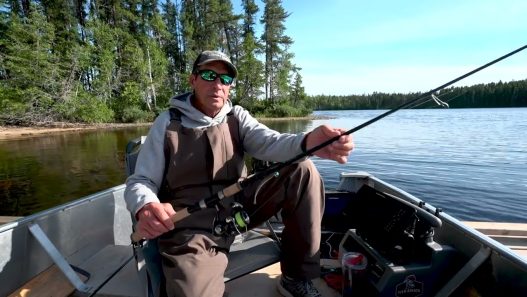
One of my favorite rods for skipping presentations is a St. Croix Victory 6’8″ Medium Power Extra-Fast Action.
The shorter length improves casting accuracy while the extra-fast tip helps load and propel skipping baits with tremendous precision.
That combination of accuracy and control is exactly what dock fishing demands.
Wacky Rigging for Dock Bass
When bass become finicky, few presentations outperform a wacky-rigged stick worm.
There are numerous excellent stick worms available today, including offerings from Big Bite Baits, Yamamoto, Yum, and CrushCity. Personal preference plays a major role in selecting the right worm.
To increase durability, I frequently use VMC O-rings and crossover rings. The crossover system provides a more secure attachment point and significantly extends bait life, allowing anglers to catch multiple fish on a single worm.
For hooks, my favorites include:
Both provide excellent hook penetration while minimizing hang-ups around dock structure.
One of the Most Enjoyable Ways to Catch Bass
What makes dock fishing so enjoyable is the active nature of the presentation. You’re constantly analyzing cover, selecting targets, positioning the boat, and making precision casts.
Every dock has the potential to hold multiple fish. Every dark corner creates anticipation. Every skip underneath a pontoon lift or walkway feels like an opportunity.
Throughout the summer, I’ll fish countless presentations—frogs, crankbaits, chatterbaits, tubes, drop shots, finesse worms, and swimbaits. But when bass are positioned around shallow cover and the conditions are right, few patterns are as exciting and productive as skipping docks.
For northern anglers looking to capitalize on post-spawn largemouth bass, now is the perfect time to grab your favorite skipping setup and start targeting docks. The fish are there—and when you make the right cast, they’ll let you know.

