









Al Lindner and Jeremy Smith are fishing prairie lakes boiling down the basics of angling.
Spring Fishing Adventure On Prairie Lakes: Walleye, Smallmouth, and the Perfect Setup
Each spring, Al and I have made it a tradition to explore new fishing spots prairie lakes. This year is no different—we’re out on fresh water chasing after big walleyes, with the bonus potential for smallmouth bass and white bass.
Within minutes of starting, the action begins. The first fish—an impressive, spawned-out walleye—sets the tone for the day.
As we target creek arms branching off from a main river channel, it becomes clear that this region offers excellent multi-species fishing with both quantity and quality.
The Power of the Lipless Crankbait
When exploring unfamiliar water, lure selection plays a critical role in your success. While it’s essential to match what fish are biting, efficiency can’t be overlooked. In these waters, my go-to bait is a Rapala Rippin’ Rap size 6—a versatile lipless crankbait.
There are several reasons why I always have one tied on:
• Ease of use: You can’t fish it wrong. Retrieve it straight, yo-yo it back, or fish it vertically.
• Versatility: Especially effective on deeper sand flats or along channel edges, where fish tend to stage before moving shallow.
I work it like a jig—ripping it up and following it down on a semi-tight line, watching for that telltale line jump signaling a strike.
The Fish Start Biting
That technique quickly pays off. A walleye bites at the top of the cast, and moments later, another fish hits—a smallmouth bass this time, pulled off some rock structure. These subtle rocky patches, scattered among mostly grassy terrain, are fish magnets.
Even a small cluster of rocks can hold multiple species, and it doesn’t take much: just a few boulders can be all that’s needed to attract walleyes, smallmouths, and even white bass.
Fishing the Deeper Lips
With the water temperature hovering just under 50°F, the fish haven’t fully moved shallow yet. While ideal spring fishing might be in 3 to 6 feet of water, casting and winding over shallow flats, we’re finding success in slightly deeper water.
Switching to a deeper-diving X-Rap, I’m able to connect with another solid smallmouth. That bait excels in cold spring water and mimics the baitfish profile well.
Signs of Life and Unexpected Encounters
As we continue exploring, we notice signs of muskie in the lake—an unexpected surprise. On side imaging, we spot a muskie lying just a foot off the bottom. It’s a reminder of the diversity of species and the potential of these lakes.
Structure is critical here. What might seem like a small pile of rocks or a sharp drop on sonar can be “the spot on the spot”—tiny but powerful holding areas. That’s where Humminbird side imaging becomes invaluable. In these vast waters, finding those small high-percentage areas is key.
Why Spring Is Prime for New Water
Spring is the ideal time to scout new water. Most fish are shallow, searching for warmer temps and food, making them more susceptible to various presentations. This makes a run-and-gun strategy effective. Hit spots quickly, cover water, and see what’s active.
Al hooks into what feels like a big brown bass—exactly what we came for. The excitement is real. We’ve already boated big walleyes, a few smallies, seen a muskie, and even a nice pike—all within the first few hours on a lake we’ve never fished before.
Essential Gear: The Case for Glass Rods
A major part of our success comes down to having the right tools. For me, that means glass rods—specifically, St. Croix’s Legend Glass and their new Mojo Glass series. These rods are incredibly effective when using baits like the Rippin’ Rap or light balsa baits like the Shad Rap.
Why glass?
• Flex: Helps keep fish pinned, especially when using small treble hooks.
• Distance: Allows long casts even with lighter baits—crucial in wind-heavy conditions.
• Versatility: Handles a range of baits and fish species well.
I run both spinning and baitcasting setups to maximize my options.
Reading the Water and Dialing It In
With every new spot, we refine our understanding. The fish are where they should be—on rock transitions, points, and sharp drops. And when they hit, they hit hard. One cast produces a chunky 3.5-pound smallie, another nearly yields a double.
Even when a fish shakes free, another hits almost instantly. That kind of feedback only comes when you’re dialed in—working productive structure with the right gear and right lures.
Springtime Transition: When Water Temps Hit 50 Degrees
As the water temperature crept up to that magical 50-degree mark, the bite began to shift noticeably. This time of year is often considered a turning point in early-season fishing.
When water temperatures hover in the mid-40s to 50°F, it signals a key transition for fish that have spent the winter in deeper holes. Many of these fish begin to move toward those productive 6 to 12-foot zones—prime real estate for smallmouth bass.
And sure enough, as the thermometer hit 50, the action kicked into high gear. Big bronzebacks started showing up on flats, pulled up from the deeper 25-foot holes they’d been wintering in. Fish were clearly on the move and ready to eat.
Smallmouth Bonanza on the Prairie Lakes
The action that followed confirmed the rumors: the smallmouth population in these prairie lakes of the Dakotas is nothing short of incredible.
Throughout the day, the anglers landed one quality brown bass after another. These fish weren’t just active—they were aggressive, following baits to the boat, missing and hitting again, loaded in specific zones.
What’s remarkable is how well these big smallmouth have adapted to prairie environments, far from the traditional smallie strongholds of the Great Lakes. These waters are producing some of the finest smallmouth fishing to be found anywhere in North America.
Essential Lure Lineup for Early Spring
For anglers heading out in early spring, especially when water temps are around 50 degrees, packing the right lures is key. Fortunately, the setup isn’t complicated. Horizontal-moving baits are the go-to, and several proven performers topped the list:
• Rapala Shad Rap – A timeless classic that continues to produce bites 30 years after its debut.
• Rapala Rip’n Rap & Storm Vibe – Excellent multi-species rattle baits that shine in cold water.
• Storm 360GT – A reliable, pre-rigged system perfect for cast-and-wind simplicity.
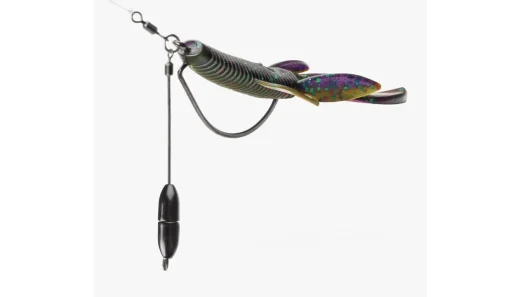
• Big Bite Suicide Shad on a VMC Finesse Half Moon Jig – Elegant and effective, this combo works wonders with minimal effort.
And of course, jerkbaits remain a spring staple.
The Rapala X-Rap, RipStop, and Shadow Rap all had their moments. Whether you opt for shallow or deep-running versions depends on the lake’s depth and clarity—but both styles can produce big results.
Bonus Action: Walleyes and White Bass Join the Party
Later in the day, attention turned to walleyes—and they didn’t disappoint. Big, spawned-out females began to show up, confirming that timing was right. A gorgeous walleye hit the net, a great example of a healthy fish transitioning out of spawning areas.
But perhaps the biggest surprise was yet to come: the arrival of white bass.
Just as the crew was about to call it a day, a flash of silver smashed a bait at the boat. A chunky white bass had entered the mix, and with it came excitement.
These aggressive, schooling fish are known for their non-stop appetite and willingness to hit just about anything. And where there’s one whitey, there are often many more.
Wrapping Up a Stellar Day on New Water
The mission was clear: explore new water, target multiple species, and figure out the bite. By day’s end, the results spoke for themselves—muskies, pike, walleyes, big smallmouth, and now white bass. It was a textbook multi-species day and a testament to the rich diversity of prairie lakes.
The takeaway? Exploring new water is one of the most rewarding experiences in fishing. It’s not just about catching fish—though that’s a bonus. It’s about learning, adapting, and connecting with unfamiliar environments. And when a plan comes together like this one, there’s no better feeling in the world.

