









Catching white bass in the upper Midwest can be a lot of fun for anglers. Many lakes, rivers, and reservoirs have healthy populations of white bass, giving fishermen plenty of chances to catch them.
It’s important to think about the time of year when you’re trying to catch white bass. The best time to fish for white bass is in the spring and early summer, when they are more active and move to shallower waters to spawn.
When it comes to bait, there are a lot of choices. White bass are especially attracted to live bait like minnows, shad, or worms. You could also use fake lures that look like real baitfish, like crankbaits, jigs, and soft plastics in natural colors. These lures can look like their prey and get them to bite. If you want to be more precise, try using light jig heads with small jigs or soft plastics.
A medium to medium-light spinning rod that is 6 to 7 feet long and a good spinning reel are the best types of gear. This combination gives you the flexibility you need to cast and retrieve different lures or bait setups. Using 8–12 pound test monofilament or fluorocarbon line on your reel should give you enough strength while still being sensitive enough to feel bites.
It’s important to pay attention to the weather, the water conditions, and the rules in your area when you go fishing for white bass. Also, be ready to change your bait and fishing methods based on how the fish are acting on any given day. To have a successful white bass fishing trip in the upper Midwest, you need to be patient and flexible.
Depending on where you are, the water conditions, and the time of year, the best lures for white bass can change. These lures are known to work well for catching white bass:
How to Find White Bass Lures
Crankbaits: Medium-sized crankbaits that look like natural baitfish, like silver, white, or shad patterns, are great choices. These lures look and move like small fish, which are a main food source for white bass.
You can use jigs with a lot of different trailers, such as soft plastics, curly-tail grubs, or even live bait. Choose jig heads that weigh between 1/8 and 1/4 ounces. These are the same size as the white bass’s natural prey.
Spinnerbaits: Spinnerbaits with two blades can make strong vibrations and flashes that can draw in white bass. When you pull them in at a steady pace, they look like a hurt baitfish.
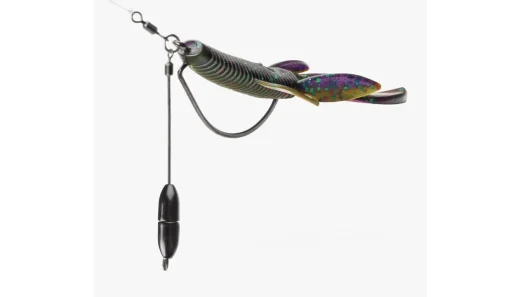
Paddle-tail swimbaits, curly-tail grubs, and tube baits are all good soft plastic choices. You can use these with jig heads or weighted hooks, which gives you a lot of different ways to show them off.
Spoons: White bass can be caught very well with casting spoons, especially those that move in a fluttering way. They move around in a way that makes them look like a baitfish that is having a hard time, which makes them a good target.
Topwater Lures: In late spring and early summer, when white bass are more active near the surface, topwater lures like poppers or walk-the-dog style baits can be very good for getting big bites.
Inline Spinners: These lures have a blade that spins around and makes flash and vibration, which is great for getting white bass to bite. Pick colors that look like the food that lives in the area.
To find out what works best on any given day, remember to change the speed and depth of your retrieve. You should also always pay attention to the water conditions and change your lures as needed. It’s also a good idea to have a variety of lures in your tackle box so you can change them up as needed.

