



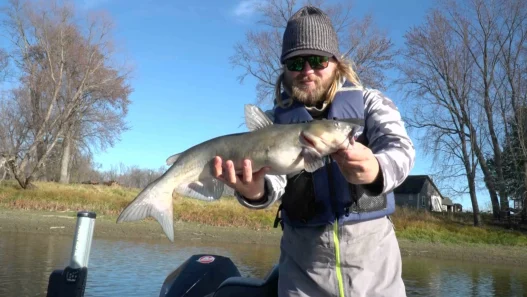





Frog Fishing Bass Video: Big bass on frogs — this show is as good as it gets! Watch as Al and James Lindner on one of the best topwater bites they’ve experienced in years.
Mastering the Art of Frog Fishing for Bass
Frog fishing has evolved into one of the most thrilling and productive ways to target bass—especially in dense, shallow cover. But to consistently put fish in the boat, you need more than just the right lure. Success hinges on pairing your frog with the correct rod, reel, line, and boat control techniques. In this blog post, we explore how the right gear and strategy work together to make frog fishing not only productive, but highly addictive.
The Importance of Matching Your Tackle
A balanced setup is critical when it comes to fishing topwater frogs. Every component of your gear plays a role in casting efficiency, lure action, hook sets, and the fight itself. 
- Rod: Length, power, and action are essential for long, accurate casts and strong hooksets. A heavy-power rod with a fast tip helps you drive hooks through a bass’s tough mouth and winch fish from thick vegetation.
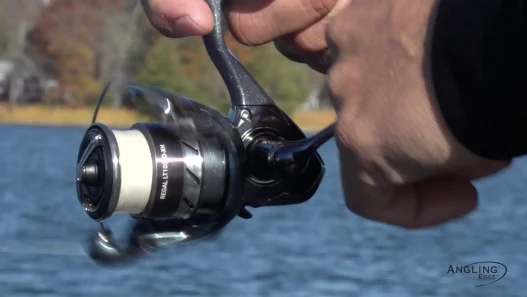
- Reel: The reel’s gear ratio and drag system control retrieve speed and help keep tension on the line during the fight. Higher gear ratios are favored for quickly picking up slack and turning fish out of cover.
- Line: Modern lines—braid, fluorocarbon, and monofilament—each bring unique properties. For frog fishing, braided line is the gold standard. Its strength, zero stretch, and ability to cut through vegetation make it indispensable.
The Evolution of Frog Fishing
Although frogs were originally designed to be fished in heavy, matted vegetation, their application has expanded greatly. Anglers now throw frogs across sparse lily pads, open water flats, and even around docks—anywhere a slower-moving surface bait might coax a reaction strike. That’s because frogs offer something unique: they move slowly, staying in the strike zone longer than faster baits like buzzbaits or spinnerbaits.
This makes them especially effective when bass are lethargic or feeding subtly. Even smallmouth bass in the right environments have proven susceptible to frogs—another testament to the bait’s versatility.
The Right Frog for the Right Job
There are two primary types of frog baits commonly used today: walking frogs and popping frogs.
- Walking Frogs: Featuring a pointed nose and sleek body, walking frogs are ideal for the thickest slop—emergent vegetation like wild rice, pads, and duckweed. They slide through cover with ease and elicit powerful strikes when bass are buried deep.
- Popping Frogs: These are designed for more open or patchy cover. The cupped face adds noise and commotion, helping to call fish out of cover or attract them in lightly stained water.
Experienced anglers often keep both on deck, switching between them based on the situation. For example, dense overhead rice calls for a walking frog, while scattered pads and isolated clumps might demand the popping version.
The Role of Color in Frog Fishing
Contrary to popular belief, frog color does matter—especially in open or semi-open water conditions. While in ultra-thick mats color might be less of a factor, when fish get a better look at the bait, matching the hatch or local forage becomes important. Color preferences can even vary from lake to lake.
Pros like Seth Feider and Ott DeFoe have noted increased attention to frog color when fishing different water clarities and cover types. The new color expansions in the Terminator Walking and Popping Frog lineup reflect that shift.
The Tactics Behind the Strike
Frog fishing isn’t just about casting and hoping. It’s about understanding conditions, fish behavior, and your environment.
- Timing: Shallow-water fish often react more aggressively in the afternoon when conditions warm and atmospheric pressure changes. Cloud cover, humidity, and wind direction all play a role in how fish position and feed.
- Boat Control: In heavy cover, maintaining a fixed position is key. Tools like Minn Kota Talons allow for silent anchoring, letting anglers thoroughly work an area with fan casts and better line control. Positioning your boat so you’re casting with the wind not only helps with longer casts but also aligns your presentation with the natural flow of vegetation.
- Casting Strategy: Pin the boat, fan cast to pick apart cover, then move and repeat. A two-talons setup locks your boat completely in place—preventing rotation from wind—and helps maximize your efficiency and hookup ratio.
Experience and Refinement
Frog fishing has come a long way since the days of the original Bill Plummer frog. Modern baits feature refined hook angles, improved body materials, and specialized designs that increase hook-up ratios. The Terminator frog series—especially the Popping Frog—stands out for its consistent performance and fish-holding power.
As the team fishes shorelines, docks, and transitions into heavier pad fields, they emphasize how important it is to fish slowly and deliberately. Frog fishing is less about covering water and more about precision and patience.
Closing the Loop: Gear, Strategy, and Soul in Frog Fishing
As the action-packed day on the water unfolded, it became clear that frog fishing offers more than just a chance to catch big bass—it delivers a full-spectrum experience where the right gear, fine-tuned tactics, and even deeper reflection come together.
The Hookset and the Habit
Each cast into heavy cover carried the promise of explosive action. Frog fishing is visceral—loud, visual, and immensely satisfying. And yes, it can be addicting. There’s something about coaxing fish out of the thickest cover and watching them demolish a frog that makes this style of bass fishing one of the most memorable.
The lake in this outing was a prime example—chock full of shallow vegetation and productive cover. With years of experience on this body of water, the anglers returned to proven spots: pads with just a touch more depth, cleaner lanes, and hard-to-see high spots within the weed beds. These micro-features, sometimes just a foot of added depth, consistently held fish. The secret? Smart mapping and time on the water.
Mapping Matters in the Slop
Even in skinny water, mapping tools play a crucial role. High-resolution one-foot contour maps reveal hidden underwater structure—bullnose points, channels, and isolated holes inside weed beds. These subtle changes in depth often hold the most aggressive bass. Using tools like shallow water highlights set at five feet and examining contour data helped the anglers dial in the fish’s location quickly and effectively.
The Perfect Gear for Heavy Cover Combat
To succeed in this demanding environment, only the best tackle will do. The featured setup was as follows:
- Rod: A St. Croix Legend Tournament, 7’4″ heavy power, fast action rod provided the backbone to drive hooks home and wrench fish from dense mats.
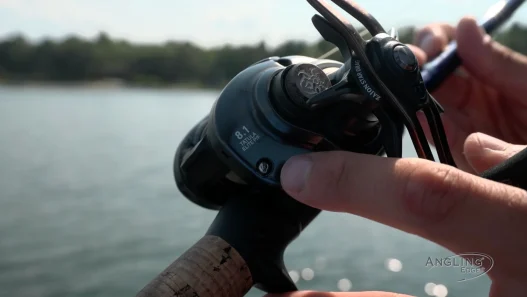
- Reel: Daiwa Tatula 300, with an 8.1:1 gear ratio and T-Wing System, allowed for long, accurate casts and quick line pickup to maintain control during the fight. A 190mm double-paddle handle gave extra torque when muscling fish out.
- Line: Sufix 832 braid, 50-pound test in Coastal Camo, offered both stealth and strength. Its slightly thinner diameter sliced through vegetation better than heavier lines, allowing anglers to “shear” rather than drag weeds.
The combination of rod power, reel speed, and line diameter created a system built to dominate in the jungle of shoreline cover.
Environmental Awareness and Strategic Adjustments
Weather conditions played their part too. A pattern of stable, hot, and humid air paired with late-arriving cloud cover created an ideal topwater window. The team waited for the right conditions and planned their approach accordingly. Boat positioning was critical—anchoring with shallow water talons to hold in place and fish efficiently with the wind. Strategic casting and working with the grain of cover made the bite easier to detect and hooksets more effective.
From technical frog rigging to spiritual reflection, this day on the water was one to remember. The next time you launch your boat, frog rod in hand, don’t just think about what’s biting—consider what deeper purpose might unfold as the day progresses.


[…] take anglingedge.com/frog-fishing-bass shine off of a new line with a black marker to stay away from alarming fish when fishing in murky […]
[…] mouth of this fish is massive. When https://anglingedge.com/frog-fishing-bass/ is open, you can see that the quite a few teeth have the visual appeal of skinny, sharp […]
[…] anglingedge.com/frog-fishing-bass has a new integrated defense technique with regard to squirrelfish. This is their ability to help make looks by vibrating their own swim bladders. These tones notify other squirrelfish of hazard and may in addition use to warn off species of fish that may possibly be just a small threat to typically the squirrelfish. The sounds array from a good grunt in order to pressing, the location where the grunt might be used more to be able to warn small dangers for you to stay away and this clicking as a signal that there is some sort of larger threat that this squirrelfish should move away from. […]
[…] http://www.anglingedge.com/frog-fishing-bass for this family members of fish is: Synodontidae, with genus species Saurida and Synodus. […]
[…] spouse and i should work shows, together with I need to do interviews, together with so yes. And in bass fishing of my greatest partners are one, is usually I’m so fortunate to stand for my state, inside […]