






One of the questions I hear most often is, “How do you consistently catch fish on lakes you’ve never fished before?”
The answer isn’t luck. It’s a process.
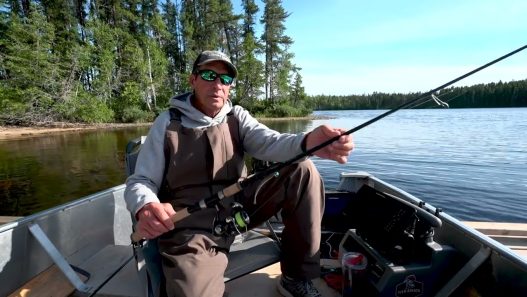
Recently, Al Lindner and I traveled to South Dakota’s Webster area to fish a prairie lake that neither of us had ever seen before. No history. No secret spots. No previous waypoints. Just a map, our electronics, and years of experience reading water.
What happened next is a perfect example of how modern anglers can quickly break down unfamiliar water and find quality walleyes.
Resist the Urge to Start Fishing Immediately
When most anglers launch on a new lake, the first thing they do is start casting.
We do the opposite.
Instead of immediately fishing the first promising point or shoreline, we spend time driving around and studying the lake. We want to understand how the lake is laid out, where the baitfish are positioned, what habitat is available, and how fish are relating to the seasonal conditions.
One of the first surprises we found was how extensive the weed growth was. In many areas, healthy vegetation extended down to nearly twelve feet of water.
That immediately changed our thinking.
Without spending time looking, we would have completely missed one of the most important pieces of the puzzle.
Use Electronics to Build the Big Picture
Electronics allow anglers to speed up the learning process dramatically.
When we’re exploring a new lake, we’re constantly looking for:
- Weed edges
- Rock points
- Boulder transitions
- Inside turns
- Flats adjacent to spawning areas
- Bottom composition changes
- Schools of baitfish
- Individual fish marks
Every time we find something interesting, we drop a waypoint.
Waypoints are cheap.
You can always delete them later, but every waypoint helps build a picture of what’s happening beneath the surface.
On this particular lake, we looked at eight different areas before we ever committed to fishing one. By doing that, we gained confidence that we understood the overall pattern rather than simply guessing.
This strategy works for walleyes, bass, pike, muskies, and virtually every other species you might target.
Understanding Seasonal Location
Timing is everything.
During our trip, the walleyes had recently completed their spawn. Water temperatures were climbing into the upper 50s, and the fish were transitioning into a post-spawn feeding mode.
Because of that, we focused heavily on shallow bays and flats located near spawning areas that connected to the main lake basin.
Post-spawn walleyes often don’t travel far initially. They stay close to the areas where they spawned while they recover and begin feeding aggressively again.
Finding those transition zones was critical.
Never Ignore the Wind
One of the most overlooked factors in fishing is wind.
When we evaluate a location, we’re not only paying attention to the current wind direction. We’re also thinking about what the wind has been doing over the previous several days.
Consistent wind pushes plankton, baitfish, and ultimately predator fish toward specific structures.
The longer a shoreline, point, or flat receives wind, the greater the potential for fish concentration.
Ironically, during our trip, the Dakotas delivered something unusual—very little wind.
That meant we had to rely more heavily on structure, habitat, and electronics than simply following a wind-driven pattern.
Cover Water Until the Fish Tell You What They Want
Once we started fishing, we didn’t lock ourselves into one presentation.
One of the biggest mistakes anglers make is assuming fish want a particular lure before the fish actually tell them.
We had multiple rods rigged and ready:
The goal was simple: cover water efficiently and let the fish reveal their mood.

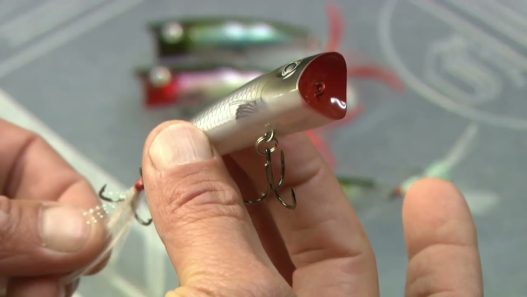
The first few fish came on Rapala’s new Snare Shad, a shad-shaped bait with a tight wobble and internal rattle system. The lure quickly proved itself by producing quality walleyes almost immediately.
But we didn’t stop experimenting.
As the day progressed, fish also responded to lipless crankbaits, hair jigs, and traditional jig presentations.
The lesson?
Keep an open mind.
The fish don’t read the same fishing articles we do.
Boat Control Matters More Than Most Anglers Realize
Finding fish is only half the battle.
Presenting a lure effectively is where many anglers separate themselves from the crowd.
Modern trolling motors have completely changed the game.
Using the Minn Kota Quest trolling motor and integrated One-Boat Network, we could precisely position the boat, use Spot-Lock when needed, mark waypoints instantly, and efficiently work large grass flats and rock structures.
Boat control isn’t just about convenience.
Better boat control means better presentations, which leads directly to more bites.
The Power of Reaction Baits
One thing that stood out during this trip was how aggressively these post-spawn walleyes were feeding.
Several fish absolutely crushed moving baits.
Reaction presentations allowed us to quickly cover water and identify active fish.
Among the most productive offerings were:
- Rapala Harbor Shad
- Rapala Rippin’ Rap
- Hair Jigs
- Traditional Jig Presentations
The Rippin’ Rap remains one of the most underutilized walleye lures in the country. Many anglers think of it primarily as a bass bait, but aggressive walleyes often respond exceptionally well to its vibration and speed.
Pattern Over Spot
One thing I continually remind anglers is this:
Successful fishing is about patterns, not spots.
A single productive location doesn’t mean much.
A productive pattern means everything.
By spending time studying multiple locations before fishing, we discovered a repeatable formula:
- Post-spawn walleyes
- Shallow flats and bays
- Healthy weed growth
- Nearby spawning areas
- Transitional habitat
- Aggressive feeding windows
Once that pattern emerged, we could replicate it throughout the lake.
That’s how you consistently catch fish on unfamiliar water.
Why We Love Fishing New Lakes
There’s something incredibly rewarding about arriving at a lake you’ve never fished before and figuring it out.
No history.
No community holes.
No previous waypoints.
Just observation, electronics, decision-making, and fishing instincts.
When the process comes together and you connect with quality fish—including several trophy-class South Dakota walleyes—the satisfaction is hard to beat.
The next time you launch on a new body of water, don’t rush to fish the first point you see.
Spend time looking.
Study the habitat.
Use your electronics.
Mark waypoints.
Build a pattern.
Because often the difference between an average day and an unforgettable day isn’t how well you fish—it’s how well you learn the lake before making your first cast.

