








A Smarter Way to Read Your Lake Map
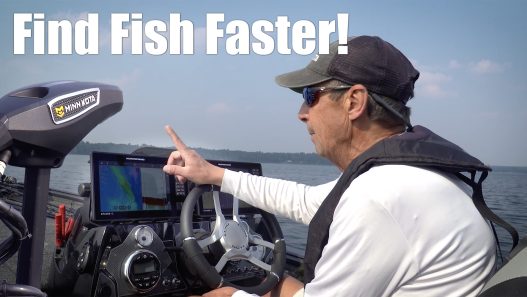
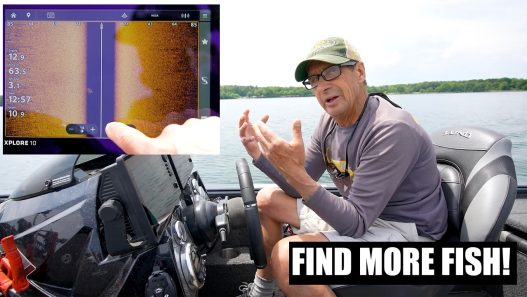
Modern fishing electronics continue to evolve, and one of the most useful new features found on the Humminbird XPLORE series is the ability to highlight multiple depth zones simultaneously. While anglers have long relied on traditional shallow water and depth highlighting tools, the XPLORE takes things a step further by allowing users to create up to four separate depth highlight ranges on the map at the same time.
For anglers who spend their time chasing seasonal fish movements, this feature can dramatically speed up the process of finding productive water.
Color-Coding Fish-Holding Depths
With the XPLORE units, anglers can enter the mapping settings and assign different colors to specific depth ranges. Instead of simply highlighting shallow water or one targeted depth zone, you can now identify multiple key depth contours at a glance.
For example:
- Highlight water less than 10 feet deep in red.
- Assign a different color to mid-depth transition zones.
- Highlight deep basin areas with another color.
- Create a fourth color zone for a very specific depth range where fish are currently holding.
The result is a map that instantly shows the most important areas on the lake without requiring constant contour interpretation.
For anglers fishing unfamiliar water, this visual approach makes it much easier to understand how fish relate to structure and basin features throughout the season.
Finding Fall Crappies Faster
One of the best applications for this technology is locating fall crappies.
As water temperatures cool, crappies often migrate toward specific basin depths. Finding the exact depth range can sometimes be the difference between catching a few fish and finding a massive school.
During a recent outing, the lake being fished was several feet below normal pool. By using the XPLORE’s depth highlight settings, a targeted depth range of approximately 20 to 25 feet was selected and assigned its own color.
Almost immediately, a distinct area of the lake stood out on the map.
That highlighted zone became the starting point for the search—and it turned out to be exactly where the crappies were concentrated.
Instead of spending valuable fishing time searching random basin areas, the mapping feature narrowed down the highest-percentage water before a cast was ever made.
Integrating With the One-Boat Network
The feature becomes even more powerful when paired with the Humminbird One-Boat Network App.
Using the app on your smartphone, anglers can search for potential locations and analyze depth zones before arriving at the lake. By combining map research with custom depth highlighting, it’s possible to develop a game plan from virtually anywhere.
Whether you’re preparing for a tournament, planning a weekend fishing trip, or simply trying to maximize your time on the water, having access to this information helps eliminate guesswork.
More Than Just a Mapping Feature
What makes multiple depth highlighting so valuable is that it mirrors how fish actually use lakes. Most species don’t roam randomly. They position themselves around specific depth zones, transitions, and structural features based on forage, water temperature, oxygen levels, and seasonal patterns.
The ability to visually isolate these areas allows anglers to quickly focus on the portions of the lake that matter most.
Crappies, walleyes, bass, and even open-water predators often relate to repeatable depth patterns. Once you identify the productive depth range, the XPLORE’s multiple highlight colors make it easy to locate every similar area on the lake.
The Bottom Line
The Humminbird XPLORE series continues to add practical features that help anglers make better decisions on the water. Multiple depth highlighting may seem like a simple addition, but its real-world impact can be significant.
By allowing anglers to color-code up to four depth zones at once, the system makes maps easier to read, speeds up pattern development, and helps identify productive fish-holding areas faster than ever before.
For anglers targeting fall crappies, basin fish, or any species that relates closely to specific depth ranges, this is one feature you’ll quickly wonder how you ever fished without.

