








When most anglers think about their next fishing trip, their minds usually jump to walleyes, bass, muskies, or perhaps lake trout. Those are all fantastic fish, but after spending another day on the water with Al Lindner chasing panfish in central Minnesota, I was reminded why panfish deserve a lot more respect than they often get.
The truth is simple: panfish offer some of the most enjoyable fishing opportunities available anywhere. They’re accessible, abundant, willing to bite, and when you target them with the right equipment, they provide an incredible fight.
And on this particular day, we weren’t just catching ordinary bluegills. We were targeting one of the most fascinating fish in freshwater—the hybrid sunfish.
Discovering Minnesota’s Hybrid Sunfish
Central Minnesota is home to a unique mix of sunfish species. In many lakes you’ll find bluegills, pumpkinseeds, and green sunfish living together. When these species interbreed, something interesting happens—they create hybrids.
The fish we caught throughout the day were primarily hybrids between bluegills and green sunfish. They combine some of the best characteristics of both species.
You see the classic barring pattern and larger body shape of a bluegill, but then you notice the oversized mouth inherited from the green sunfish. Add in the brilliant coloration and aggressive personality, and you’ve got a fish that’s both beautiful and incredibly fun to catch.
One thing that’s particularly interesting about hybrid sunfish is how quickly they grow. Many hybrids grow faster than traditional bluegills, and because of their genetics, they often reach impressive sizes in a relatively short period of time.
The fish we caught that day were thick, healthy, and full of attitude. Every one of them pulled hard on light tackle.
Finding Summer Panfish
One of the biggest mistakes anglers make is focusing too much on specific spots and not enough on depth.
During summer, panfish are often creatures of the weed edge. Whether it’s cabbage, coontail, or milfoil, what really matters is identifying the deepest depth where healthy vegetation exists.
On some lakes, weeds may stop growing at five feet. On others, they may extend to twenty feet or deeper.
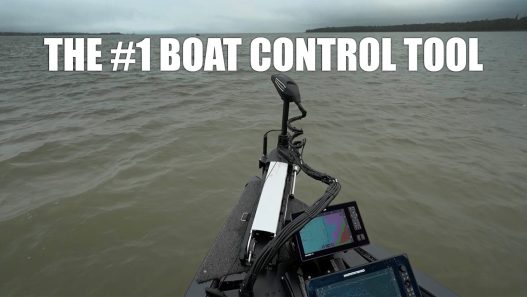
The first thing we do is use electronics to determine where the vegetation ends. Once we identify that depth range, we can use mapping technology to quickly narrow down the most productive areas.
I like highlighting three separate zones:
- Shallow water from 0 to 5 feet.
- Primary weed flats where most vegetation exists.
- The deepest weed edge where fish often concentrate.
Once those areas are highlighted, inside turns, points, fingers, and irregularities along the weed edge become obvious.
Instead of staring at contour lines and guessing, you’re immediately looking at the highest percentage water on the lake.
That efficiency allows you to spend more time fishing and less time searching.
Light Tackle Makes Everything Better
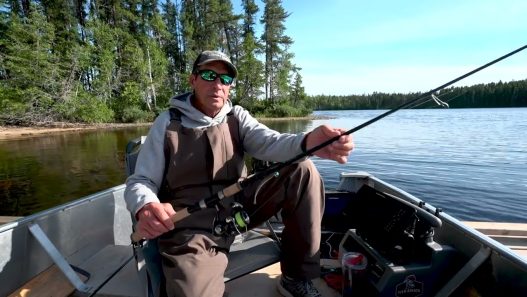
If there’s one thing I wish every angler would try, it’s serious panfishing with proper finesse equipment.
Many people underestimate how much fun a big bluegill or hybrid sunfish can be when you’re fishing with light gear.
My setup is simple:
- A quality seven-foot panfish rod.
- A 1000-size spinning reel.
- Light braid or monofilament.
- Fluorocarbon leader.
- Tiny hair jigs or finesse plastics.
On this trip, Al and I found success with small VMC hair jigs. The subtle presentation consistently fooled fish holding along the weed edge.
One trick I’ve adopted is using Sufix Revolve finesse braid connected to an eight-pound fluorocarbon leader with a tiny barrel swivel. It simplifies the connection, reduces knot-tying frustration, and gives me enough strength to handle the occasional bass or northern pike that crashes the party.
When you’re fishing four- or six-pound line and a quality panfish rod, every fish feels bigger.
That’s the beauty of panfishing.
The Most Important Panfish Tool Nobody Talks About
While rods, reels, and electronics get plenty of attention, one of the most important tools in my boat costs almost nothing.
A small pair of long-nose pliers.
For anglers practicing catch and release, especially with crappies and bluegills, pinching down or removing the barb on your hook can make a huge difference.
These fish have soft mouths. A barbless hook comes out quickly and cleanly, reducing handling time and minimizing injury.
It’s a simple adjustment that benefits both the fish and the angler.
Why Conservation Matters
I’ve had the privilege of serving on Minnesota’s Panfish Advisory Group for nearly a decade. The experience has provided valuable insight into how fisheries management decisions are made and why they matter.
One issue we’ve focused on extensively is protecting lakes that produce exceptional bluegills.
Big bluegills don’t happen by accident.
They require the right habitat, good genetics, and perhaps most importantly, responsible harvest.
In Minnesota, several lakes have adopted reduced bluegill limits. While some anglers initially resisted these regulations, the long-term results have been difficult to argue with.
By reducing harvest and allowing more large fish to remain in the population, these lakes continue producing quality bluegills year after year.
The science is showing that selective harvest works.
Anglers can still enjoy fish fries and take fish home for the table, but protecting larger fish helps preserve the quality of the fishery for everyone.
Interestingly, hybrid sunfish often make an excellent harvest choice. They grow quickly, taste great, and removing a few hybrids generally has less impact on maintaining trophy bluegill populations.
Panfishing Is Growing Fast
One thing we’ve noticed throughout the fishing industry is the tremendous growth in panfishing.
Walk into any tackle store today and you’ll see evidence immediately.
Entire aisles are devoted to panfish rods, reels, jigs, plastics, electronics, and accessories.
Manufacturers are investing heavily in panfish products because anglers are embracing the category like never before.
And honestly, it’s easy to understand why.
Panfish are available almost everywhere. They’re family-friendly. They provide consistent action. They’re excellent table fare. And when approached with modern electronics and finesse techniques, they become a highly technical and rewarding challenge.
Whether you’re eight years old or eighty years old, panfish offer something special.
Don’t Overlook the Adventure
As I get older, I appreciate fishing differently than I once did.
It’s less about chasing records and more about appreciating opportunities.
Days spent on the water with good friends, watching a bobber disappear, feeling the thump of a fish on light tackle, and learning something new about the fishery are experiences that never get old.
Panfishing reminds us that great fishing doesn’t always require giant boats, expensive destinations, or trophy fish.
Sometimes the best adventures happen with a light rod, a handful of tiny jigs, and a school of hungry sunfish.
The next time you’re planning a fishing trip, consider leaving the muskie rod at home for a day.
Pick up a light spinning rod.
Find a weed edge.
Tie on a tiny hair jig.
You might just discover why panfish are one of freshwater fishing’s greatest treasures.

