








Chasing Canadian Gold: A Deep‑Dive into Ontario’s Rushing River Watershed
Family Traditions and the Call of the North
For many anglers, fishing is more than a pastime—it is a family heirloom passed from one generation to the next. Whether it’s the annual drive north to the same rustic lodge or a decades‑old handshake among siblings to explore fresh water every summer, the ritual is sacred. Some clans hustle for sheer numbers, others yearn for adventure on new lakes, and a select few pursue the grail of oversized walleyes—“gold fever” that keeps them restlessly bouncing from one Canadian claim to another.
The Magnetic Pull of Trophy Water
Very few lakes exert the kind of gravity that drags anglers back, trip after trip, year after year. Rushing River watershed is one of them. From Hawk Lake on the eastern flank to Dogtooth in the west, this sprawling network of glacial basins serves up everything an angler could ask for—oversized walleyes, slab crappies, bruiser smallmouth, voracious pike, and deep‑dwelling lake trout. Framed by towering white and red pines, each dawn unfurls in flaming technicolor and each dusk bows out beneath a blanket of stars and dancing auroras.
Hawk Lake Lodge: Luxury in the Wilderness
Our home base for this expedition is Hawk Lake Lodge, a drive‑to facility renowned for five‑star service: private waterfront cabins, gourmet meals, hot tubs and saunas, and a staff‑to‑guest ratio that feels more boutique than backwoods. Although the main body of Hawk Lake spans roughly 2,600 acres—and plunges over 400 feet—it’s only the gateway. Eighteen portage lakes, plus Little Dogtooth and Dogtooth downstream, give guests a smorgasbord of options for walleye, smallmouth, pike, and lake trout.
Lodge owner Michael Power notes that the entire operation is strictly catch‑and‑release for trophy fish, a management decision that has paid off in jaw‑dropping averages: walleyes topping 28–32 inches are almost routine, and the lake has surrendered specimens in the 20‑pound class.
A Heart‑Pounding First Hook‑Up
It doesn’t take long to prove the hype. Minutes into our first drift, a rod doubles over as if snagged on a submerged boulder. But the “rock” pulses, thrashes, and bulldogs for deeper water. Cameras roll, nets scramble, and a golden torpedo finally breaks the surface—a walleye so broad it barely folds into the hoop. Hands shake. Voices quiver. Somewhere in the chaos someone blurts, “They’ve logged 125 of this size already and the season’s only two weeks old!”
Moments like this remind everyone why they endure long drives, border crossings, and gear logistics: the promise of a personal best—and the adrenaline rush that follows.
Dogtooth Lake: Another Piece of the Puzzle
Just downstream, Dogtooth Lake continues the theme of super‑sized predators. Long‑time guest Dave Thompson sums it up: “For 18 straight years, we’ve watched friends boat 29‑ to 32‑inch walleyes here. It’s the food chain—huge Cisco schools and deep basins grow them fat.” Dogtooth’s mixed bag includes spring crappies, year‑round smallmouth, pike lurking in shallow bays, and lake trout holding in the depths—proof that diversity and size can coexist when habitat and forage align.
Why These Fish Grow So Large
Three ingredients fuel Hawk and Dogtooth’s trophy factory:
- Forage Density – Cisco and smelt schools provide calorie‑rich “butter,” not “salad,” packing on weight quickly.
- Glacial Structure – Deep holes, saddle humps, and boulder flats create both safe refuge and ambush terrain.
- Catch‑and‑Release Regulations – Mandatory live‑release on trophies ensures big spawners remain in the gene pool.
Tech on Deck: Mapping the Unknown
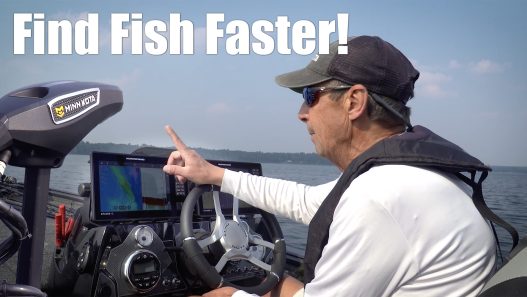
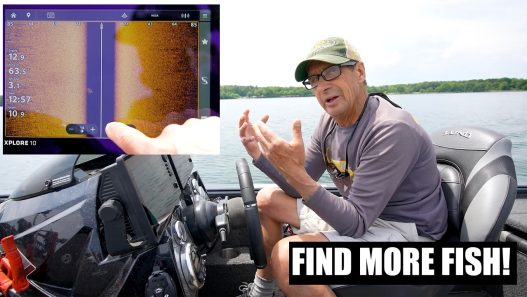
Because our crew has never fished Hawk Lake before, on‑board electronics are critical. Humminbird AutoChart Live scribbles a custom contour map in real time, while side‑imaging units reveal scattered boulders and bait pods. By overlaying these data layers, James and Troy Lindner pinpoint the sweet spot: a mid‑lake hump topping out at 18 feet with scattered boulders and adjacent 40‑foot drops—the precise spot where the opening‑day goliath inhaled a nightcrawler rig.
Weather Moves, Walleyes Bite
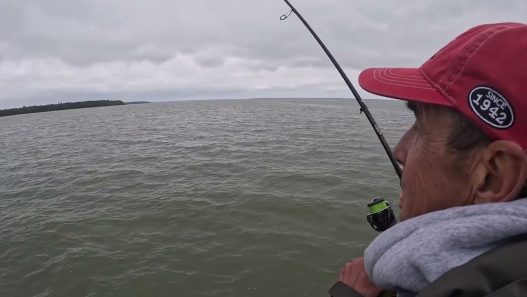
A slate‑gray sky slides in, ushering a gentle walleye “walleye chop.” The temperature dips, the barometer wobbles, and the bite detonates. Troy swaps to a snap‑jig presentation and immediately sticks another fish in the 25–26‑inch class—solid proof that changing conditions and quick lure adjustments keep rods bent when the wind shifts.
Pack Smart, Fish Smarter – Your Northwest Ontario Checklist
Before you even back the trailer down the ramp, remember that Lac Seul and her sister lakes reward preparation. Rather than stuffing the truck with “one‑of‑everything,” think of your tackle in three simple lanes—jigging, rigging, and bouncing. Build a small, purpose‑driven kit around each lane and you’ll cover every walleye mood swing you’re likely to face.
Rod & Reel Combos That Make the Difference
| Technique | Rod (St. Croix Icon series) | Length / Action | Reel | Why It Shines |
|---|---|---|---|---|
| Snap‑Jigging | Walleye Snap Jig | 6’ 8″–6’ 10″ ML–M, extra‑fast | Daiwa Ballistic | The lightning‑quick tip rockets Moon Eye jigs off bottom and pins fish right in the roof of the mouth. |
| Live‑Bait Rigging | Rigging | 7’ 0″ ML, fast | Daiwa Fuego 2000 | A supple tip and silky drag protect light‑wire hooks on 6 lb line—no heartbreaking break‑offs on trophy fish. |
| Bottom‑Bouncing / Trolling | Bounce & Troll | 7’ 0″ MH, moderate | Daiwa Megaforce THS | The parabolic backbone lets walleyes “load” the rod before they feel resistance, while the reel’s Twitchin’ Bar picks up slack without a full handle turn. |
Presentation Playbook
Snap‑Jigging
- VMC Moon Eye jigs (⅛–⅜ oz)
- Big Bite Grubs, Boot Tails, and Minnow plastics
Live‑Bait Rigging
- Hand‑tied snells with VMC Octopus hooks (size 1–6)
- Or grab a ready‑to‑fish VMC Fast‑Grip Live Bait Rig
- Pro tip: swap standard lead for a tungsten worm sinker—you’ll feel every change from sand to gravel.
Bottom‑Bouncing & Trolling
- 1–3 oz bottom bouncers
- VMC SpinDrift rigs and Revolution Hex crawler harnesses
- Shallow‑running Rapalas—surprisingly deadly when you drag them just above the rocks.
Line Choices That Won’t Let You Down
| Technique | Main Line | Leader (if needed) |
|---|---|---|
| Jigging | 8 lb Sufix ProMix or 10 lb Sufix 832 | 8–10 lb fluoro |
| Rigging | 6 lb Sufix NanoBraid or 6 lb Sufix Elite mono | 6 lb fluoro |
| Bouncing | 10 lb Sufix 832 | 12 lb fluoro |
When the Giants Show Up
Low clouds slid in, the wind riffled the surface, and every mark on the sonar turned into a taker. Fish after fish cracked the jig—huge, golden “tank” walleyes you literally had to back the camera up to frame. The snap‑jig was buried right in the top lip every time, proof that the rod, line, and jig were working in perfect concert.
Every one of those trophies went back. Catch‑and‑release keeps Northwestern Ontario special; the next angler (maybe you) will feel that same head‑shake and watch another 30‑inch class fish glide off, none the worse for wear.
James and Troy Lindner chase plus-sized Canadian walleyes in Northwest Ontario’s Rushing River Watershed, an annual fishing trip destination for many.

