





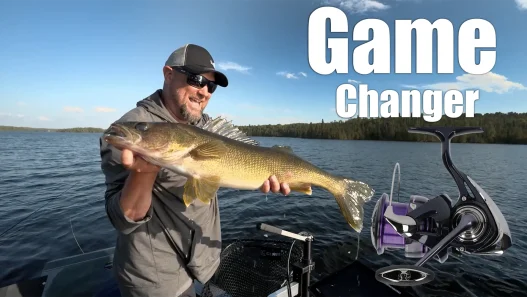




Today’s electronics, scanning walleye with Side Imaging and MegaLIVE, make it much easier to find shallow walleye schools in shallow water, then deploy classic jigging tactics known for triggering walleyes in the shallows.
Springtime can be a great time to catch walleye, especially when they are in shallow water. Cool spring weather and lack of sunlight due to cloud cover can keep the water temperature low, which in turn keeps the fish shallow for a longer periods of time. Even throughout the summer, walleye can still be found in very shallow water — including big fish. This is likely because weed beds provide cover ample food for baitfish, which attracts all predator fish.
The Right Jig
Another important factor in shallow water walleye fishing is the size and color of your jig. It’s important to experiment with different sizes to see what’s working best. Wind, water depth and boat speed can all make a difference, however, jigs in the 1/8 to 1/4 ounce range often suffice for most situations. The fall rate of your bait can make a difference in triggering bites, so it’s worth playing around with different weights. Additionally, color can also play a role in attracting fish. The angler mentions using neon chartreuse and black VMC Bucktail Jigs, but it’s always a good idea to match the hatch and see what the fish are feeding on.
Using High-Visibility Line for Strike Detection
In shallow water fishing, strike detection is crucial and using a brighter colored yellow or flourescent line increases visibility and improves tire detection. In clear water, using a long leader, like a 15-foot piece of 8-pound test fluorocarbon, is requires to get the bright colored line away from the bait. Having the bright colored line, however, is worth the effort because you can literally see the line jump when a fish strikes — even if you don’t feel the hit. It’s a great technique for slackline fishing, where the bait is popped off the bottom and allowed to fall.
Understanding the Importance of Warmth and Food
In early spring, when the water temperature is still cool, walleye can be found in shallow water flats. These flats provide warmth and food for the fish. The water temperature on the flats is often considerably warmer than in deeper water, making it an attractive location for walleye. Utilizing the depth highlight on your mapping unit, (set from 6 to 12 feet), gives you a good picture of the large expansive shallow water flats where the walleye are likely to be found. The warmth of the water and the presence of baitfish make these flats a prime feeding ground for walleye.
Using Waypoints to Locate Fish
Waypoints can be a valuable tool when fishing for walleye in shallow water. Simply mark a waypoint on their depth finder when they come across a school of fish. Drive past the spot, drop your bait right on the waypoint, and successfully catch a walleye. Waypoints can help you remember productive spots and allow you to return to them later. They can also help you track the movement of fish and identify patterns.
The Importance of Boat Control
When fishing for walleye in shallow water, boat control becomes crucial. The fish are often spread out and extremely spooky, so it’s important to have good control over your boat. One effective technique is to spot lock with a trolling motor, intermittently stopping the boat when you come across fish and fan casting around you. This allows you to cover a larger area and increase your chances of catching fish. Locking down with a Minn Kota Talon or Raptors also allows for precise boat control.
The Setup for Shallow Water Walleye Fishing
When fishing for walleye in shallow water, it’s important to have the right setup. The angler in the video recommends using a 6’8″ to 7’2″ medium power extra-fast action rod paired with a 3000 size reel spooled with 10-pound test braid. The high-visibility yellow braid allows for better visibility and strike detection. They also use an 8-foot fluorocarbon leader to get the bright colored line away from the bait. This setup is ideal for snap jigging and rip jigging techniques commonly used in shallow water walleye fishing.
Fishing for walleye in shallow water can be an exciting and rewarding experience. By focusing on boat control, choosing the right jig size and color , using high-visibility line for strike detection, understanding the importance of warmth and food, utilizing waypoints to locate fish, and having the right setup, you can increase your chances of success. Remember to experiment with different techniques and adapt to the conditions on the water. With practice and persistence, you’ll be reeling in walleye from shallow water in no time.

