








Largemouth bass are unquestionably one the most sought-after American sportfish. There are an estimated 30 million bass anglers in North America. In recent years the most dramatic growth in bass fishing has been driven by high school and collegiate bass fishing teams. Tactics and techniques across the country range from big and bold to extreme finesse and everything in between. One vitally important aspect of bass fishing is lure selection.
The best lure selection is often associated to the cover the fish are in and their mood. Weeds are excellent habitat for largemouth bass. In many clear water lakes of the north country, weeds grow in as deep as 20 feet of water. Crankbaits are great baits to comb vast acres of grass fast. Let’s join James Lindner and Dan Quinn with some unique insights on rip cranking weeds for bass.
Rip Cranking for Summer Largemouths: A Crankbait Masterclass
Why Crankbaits Matter
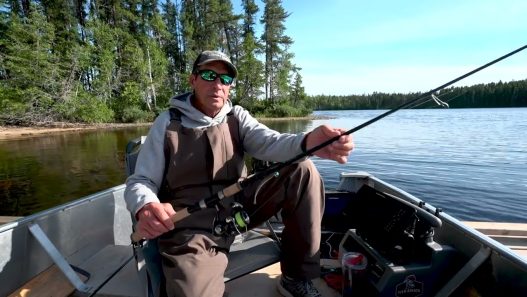
When it comes to chasing largemouth bass, few techniques are as productive—or exciting—as crankbait fishing. Versatile and adaptable, crankbaits offer anglers the ability to cover a wide range of water depths and conditions, and mid-summer weed edges are one of the prime targets. James Lindner and Dan Quinn team up to showcase the power of crankbaits in weed-heavy northern lakes, delivering practical strategies, gear recommendations, and on-the-water demonstrations that any bass angler can apply.
The Crankbait Advantage
One of the main advantages of crankbaits, especially swimbaits and diving lures, is the control over retrieval speed and depth. As James demonstrated early on, these lures allow for shallow or deep presentations based on how you work them. It’s this adjustability that makes them such effective tools, particularly when trying to locate active fish in weed-dense environments.
Largemouth bass love weeds, especially in clear North Country lakes where vegetation can grow as deep as 20 feet. Crankbaits are ideal for ripping through or over the tops of these weeds, triggering reaction bites from fish lying in ambush.
Largemouth Boom and Youth Movement
The popularity of largemouth bass fishing continues to soar. With an estimated 30 million bass anglers across North America, the sport has seen explosive growth, particularly thanks to high school and college bass fishing teams. This surge has accelerated innovation and expanded the use of diverse techniques—including rip cranking through summer weedlines.
On the Water with the Experts
Fishing deep weed edges in the 10–12-foot range, Lindner and Quinn demonstrate the effectiveness of crankbaits like the Rapala DT10. These lures dive quickly and allow you to cover vast sections of water efficiently. The conditions—sunny skies and minimal wind—were ideal for this method, and the results were immediate. Multiple quality largemouths were pulled from weedlines in quick succession, proving just how dialed-in this technique can be.
Crankbaits Across the Country
Crankbaits are not a one-size-fits-all solution, but they’re incredibly versatile. As Dan Quinn notes, Rapala’s lineup of crankbaits is regionally and seasonally effective across North America—from Wiggle Warts for bass in the Ozarks to Shad Raps for winter largemouths in the South. The same lure might catch salmon in Alaska or walleyes in Minnesota, depending on how and where it’s used.
Fish-Finding Tools and Bait Selection
The key to maximizing crankbait success lies in understanding how different lures interact with the cover and depth you’re targeting. Bill shape and size determine diving depth, making bait selection critical. For deeper weedlines, longer-billed baits like the DT14 or DT16 are ideal, especially when you’re holding in place with tools like Minn Kota’s Spot-Lock. For shallower water, baits like the BX Brat or a Wiggle Wart allow for quick, horizontal sweeps that cover large areas.
Reading the Clues
Success with crankbaits often comes down to observing subtle clues. If you notice bluegills erupt near the surface when birds fly over, or if you keep getting bites near the boat as you retrieve, those are signs that bass are suspending higher than expected. Switching to horizontal, off-the-bottom lures like crankbaits or swimbaits in these moments can make a huge difference.
Boat Control and Presentation Precision
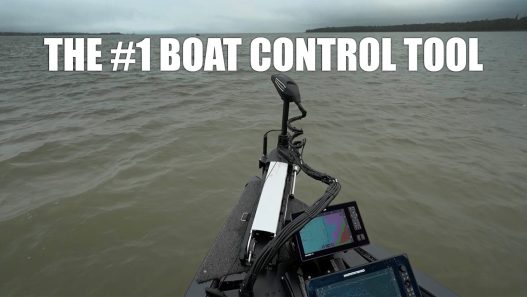
Boat positioning is just as important as bait choice. When fishing deeper structures—like ledges, shell beds, or rocky strips—precise, long casts are essential. Spot-Lock technology helps maintain a fixed position so you can drive the bait through the strike zone effectively. Shallower fishing, on the other hand, allows for a more mobile, searching approach.
Simplifying Color Selection
According to Quinn, most experienced anglers simplify their color selections based on water clarity. In clear water, subtle, natural hues dominate. In stained or dirty water, bold, bright, or solid colors stand out better. Another major factor is fishing pressure. Highly pressured fish respond to subtle changes in hue or tone—slight variations that can give tournament anglers an edge.
For those experimenting with colors, using a snap to attach your lure is a simple hack. It allows for quick changes without retying, encouraging more frequent experimentation, which can lead to better results.
Tools and Comfort Matter Too
While crankbaits and technique steal the spotlight, comfort on the water matters, especially during long days of casting. Products like the Smooth Moves seat suspension system can make a massive difference, especially for anglers with back issues or those fishing rough waters. Fully adjustable and easy to install, it’s a favorite among both recreational and professional anglers.
Unlocking Schools of Bass with Modern Sonar and Crankbait Techniques
Precision Fishing with Cutting-Edge Sonar
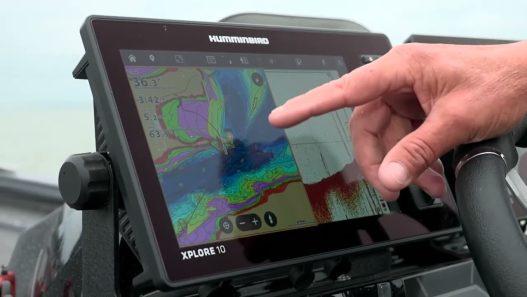
The advancement of sonar technology has transformed how anglers find and approach fish. Humminbird’s Mega Imaging and Mega 360 sonar systems offer high-frequency returns that allow anglers to see up to 200 feet below and to either side of the boat. This level of detail removes the guesswork, helping you pinpoint fish by species, size, and direction. It’s this kind of clarity that helped James and Dan spot a school of largemouth bass at “3 o’clock”—a call that immediately resulted in hookups from fish positioned exactly as described.
These systems don’t just show structure—they reveal movement. Watching bluegills meander through weed clumps and seeing bass follow in real time provides actionable intelligence. Once Dan identified a cluster of fish on Mega 360, it triggered a flurry of successful casts and hookups, confirming how powerful these tools are in locating and tracking bass schools on the move.
Structure, Spot-Lock, and Strategic Casting
A critical factor in their success was boat control. Utilizing Spot-Lock to hold the boat in a fixed position allowed both anglers to stay dialed in on productive areas, like the inside corner of a weedline or the tip of a point. These areas often serve as ambush zones for bass and baitfish alike. But the key takeaway is that fish are constantly roaming. Just because you locate a school today doesn’t mean they’ll be there tomorrow—they follow the forage, often bluegills, and you must remain mobile and observant.
What Triggers a Crankbait Bite?
When it comes to crankbaits, the erratic motion is what makes them deadly. Whether you’re ripping a DT10 through a weed bed or ticking grass with a squarebill, that slight disruption—hitting cover, pausing, changing direction—is the magic. When a lure hits a weed and then pops free, that sudden shift mimics a wounded baitfish, often drawing violent strikes.
This is why a stop-and-go retrieve is so effective. It’s not just about keeping a consistent speed—success often hinges on letting the bait do something unpredictable.
The Ideal Cranking Setup
Choosing the right rod, reel, and line combination for cranking can’t be overstated. James emphasizes a dedicated crankbait setup featuring a St. Croix Mojo Glass 7’4” medium-heavy moderate action rod, paired with a Daiwa Tatula SV TW 6.3:1 reel and 14-lb Sufix Advance Fluorocarbon. Here’s why this setup excels:
- Glass Rods: The parabolic bend helps keep fish hooked longer. They absorb surges and reduce pulled hooks—a common issue with high-sensitivity graphite rods during crankbait fishing.
- Moderate Action: Allows fish to inhale the lure fully without resistance, increasing hook-up ratios.
- Fluorocarbon Line: It’s abrasion-resistant, offers just the right amount of stretch, and holds up well when grinding lures through weeds, rocks, or wood.
Tuning and Customizing Crankbaits
Out of the box, Rapala crankbaits are hand-tuned and tank-tested. But like any well-used tool, they eventually need maintenance. Hooks can dull after grinding on rocks or repeated use. Swapping to VMC Hybrid Treble Hooks—including a bladed version—can refresh or even enhance your bait’s effectiveness. In fact, James mentions how adding a bladed treble to a crankbait can reinvigorate a bite when a school starts to cool down.
That small flash from the blade can give fish the impression of a new prey item, sometimes fooling even conditioned bass that have already been caught.
A Live-Wire Bite
During the session, one bass even exploded on a lure out of the water, confirming just how fired-up these fish can get during a hot crankbait bite. The energy and pace were palpable, with fish literally being pulled in cast after cast. Schools of largemouth, behaving like smallmouth in their aggression and grouping, erupted in a feeding frenzy, all keyed in on the DT10.

