




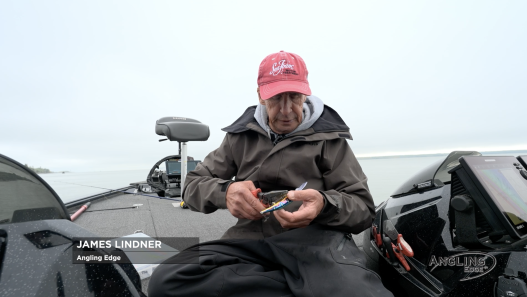




Video: Al Lindner and Hays Baldwin smash big topwater smallmouth in overlooked locations on Lake Vermilion.
Topwater Truths
Topwater smallmouth come to mind when it’s a beautiful day in the neighborhood, and those are the days I don’t take lightly anymore.
When you’ve spent a lifetime on the water, you learn to appreciate mornings like this—calm, good light, and a long run ahead of you.
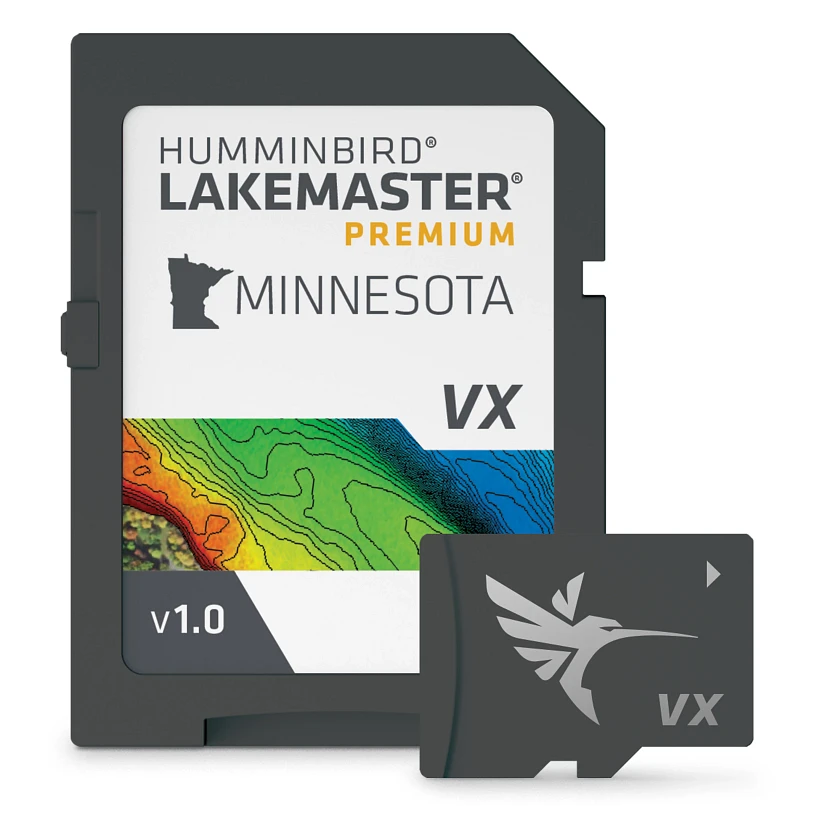
Knowing where you can go and how to get there safely is everything, and that’s why my LakeMaster chip is one of the most important tools in my boat. It gives me confidence to make a 20-minute or longer run navigating rocks, islands, and structure without second-guessing myself. Confidence equals time fishing—and time fishing equals more tugs.
Lake Vermilion has been part of my life for more than 50 years. Every season I spend time up here, and it never stops teaching me something new. Pike, walleyes, smallmouth, largemouth, crappies, bluegills—this lake truly has it all. And not just numbers, but quality. That’s the difference. Any lake can produce fish once in a while. Great lakes do it consistently, across species, year after year.
This trip was about sneaking away for a short window of time and doing what I love most—figuring fish out. Minnesota guide Hays Baldwin told me, “Let’s go catch some smallmouth.” I told him I could be there. Three hours later, we were idling around islands, talking about broken boulder shorelines, scattered wood, and subtle little details that most anglers run right past. That’s how fishing should start—with a plan, but also with curiosity.
Reading the Lake
We started where I like to start: broken boulders, some wood mixed in, and water that didn’t look “perfect” to everyone. There was a little algae bloom—what some folks call pea soup. I call it opportunity. On northern natural lakes like this, when water temperatures get into the mid-60s, algae blooms are common. And from decades of fishing Vermilion, I’ve learned those blooms often help fish more than they hurt them. They create shade. They provide cover. They tighten the strike zone.
Four casts in, we were on the board with a topwater fish. Not a giant, but a start—and that matters. Smallmouth fishing on Vermilion is about progression. You might start with a pound-and-a-half fish, but if you’re in the right area, the size usually goes up. And sure enough, it did.
One of the things I love about Vermilion smallmouth is their color. That deep copper, that bronze glow—they’re beautiful fish. And when you see fish of all sizes cruising the same stretch of shoreline, that tells you a lot about recruitment. Multiple-year classes, strong reproduction, and a balanced fishery. Those are the signs of a healthy lake, and Vermilion checks every box.
Shallow Is an Understatement
Here’s something that still surprises people: these fish were shallow—really shallow. Inches of water. Not just smallmouth either. Largemouth too. The stained water and algae bloom let those fish slide right up on the bank, especially where crayfish live in the cracks between rocks. That’s the whole deal here. Big crayfish population, tight cover, and bass set up to ambush. When they hit, they don’t just bite—they explode.
Topwater was the deal, and specifically poppers. If I had to choose one topwater bait to fish the rest of my life, a popper would be it. You can fish it in six inches of water or over 20 feet. It calls fish up. It lets you slow down. And when you need it, it can be subtle enough to trigger bites from pressured fish.
One key detail with poppers—discipline. Count “one…two” before you set the hook. Let the fish get it. A lot of people miss fish because they react instead of respond.
Why Vermilion Produces
Lake Vermilion is special because it has options. Shallow flats, steep breaks, boulder points, wood, deep water, islands—365 of them, one for every day of the year. I’ve been fishing this lake for more than five decades, and there are still places I haven’t fished. I love that. Any lake that gives fish choices gives anglers opportunity. More structure means more fish, and more ways to catch them.
Management plays a huge role too. Stocking, slot limits, reduced harvest—it all matters. The Minnesota DNR has done an excellent job here, and it shows. Tournament weights tell the story. Not just the winning bags, but the depth of the field. When 5th, 10th, 20th, and 25th all have strong weights, you’re looking at a world-class fishery.
The forage base seals the deal. Vermilion is loaded with crayfish—big, rusty craws—along with perch, ciscoes, and whitefish. That’s why you see bass with small heads, short tails, and big bodies. Those fish are eating well. They’re growing fast. They’re healthy.
Little Details That Matter
When fishing topwater with treble hooks, line choice matters. Over the years, I’ve learned that monofilament is hard to beat. It floats, it stretches, and it keeps fish pinned. Braid has its place, but straight braid on topwater can cost you fish. If you love braid, add a short mono leader. That little bit of cushion makes a big difference.
Covering water was key on this trip. Running the trolling motor at about 50 percent, moving a mile to a mile-and-a-half an hour, and just combing shoreline. Dock to point. Point to boulder stretch. That’s how Vermilion rewards anglers who keep moving and keep thinking.
Why I Keep Coming Back
Lake Vermilion isn’t a boring lake. It never has been, and it never will be. One day a spot looks perfect and doesn’t produce a thing. The next day it’s loaded. That’s the nature of a complex system—and that’s why it grows big fish and lots of them.
If you’re down south in July, baking in the heat, remember this: up here, these fish are still eating topwater. May through October. Explosive strikes. Shallow water. Canadian Shield scenery—without leaving the United States.
For me, that’s what fishing is about. Learning. Observing. Respecting the resource. And appreciating lakes like Vermilion that continue to give back when they’re managed right.
And after more than 50 years, I can tell you this with absolute certainty: Lake Vermilion still has plenty left to teach us.

