


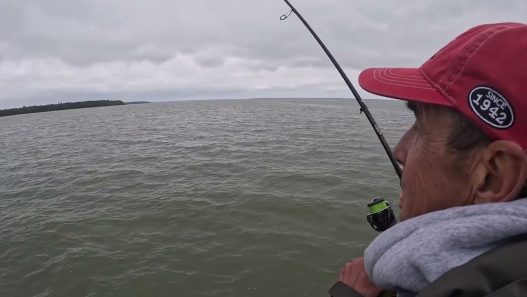








Largemouth in Deep Water
Fishing for deep-water largemouth can be both fun and hard. We’ll talk about some important tools and methods that can help you catch more and bigger fish in deep water. Finding the right spot is very important when fishing in deep water.
Largemouth bass tend to hang out in certain places, whether you’re using a crankbait, jig, or worm. These places can be shallow flats, the end of a long point, or even a small hump that is below the surface. In these cases, you need to target cast, which means dropping your bait right on top of the fish and slowly moving it over the spot.
Deep Water Largemouth with a Special Touch
Fishing gear has become very specialized in today’s world. Having the right gear is very important for fishing in deep water. The rod is one of the most important pieces of equipment.
Different rods are made for different types of presentations. A crankbait rod, for instance, is made to load up quickly. A medium power rod with a soft action is best for fishing with swimbaits or soft plastics. You should have a lot of different rods so you can use them in different situations and presentations.
Using line that won’t break easily, like 17-pound test Sufix Siege, can help keep your line from breaking when you’re fishing in deep water. You can make long casts and hook big fish at the end of the cast with this line and a 300-size reel.
How to Pick the Right Lures for Deep Water Largemouth
It’s important to try out different ways to present your lures when you’re fishing in deep water to see what the fish will bite. The Arashi 18-foot crankbait, the Terminator football head jig, and the big bite 10-inch worm are some good ways to catch deep-water largemouth bass. It’s important to remember, though, that the fish’s tastes can change every day and even every hour, so you need to be willing to try new things.
To catch deep water largemouth bass, you need to have a plan. These fish are hard to find because they live in the deep parts of lakes, reservoirs, and rivers. To get these big deep water largemouth bass to come out of their hiding spots, successful anglers use a mix of strategies, special lures, and techniques.
Using electronics like fish finders and sonar units is a good way to catch deep-water largemouth bass. These tools help fishermen find important underwater features like drop-offs, submerged humps, and channels where big bass might be hiding in deep water. Finding these structural elements is important because deep water largemouth bass often use them as hiding spots to catch their prey.
Anglers who want to catch deep-water largemouth bass often use deep-diving crankbaits as lures. These lures can get to the right depths and look like injured baitfish moving around, which makes largemouth bass want to eat them. Anglers can cover more of the water column by choosing crankbaits that dive to different depths.
The jigging spoon is another good lure for catching bigmouth bass in deep water. This heavy metal bait is meant to be jigged up and down near the bottom, like a hurt baitfish or a group of fish that are eating. When largemouth bass are holding near the bottom in deep water, jigging spoons work especially well.
Drop-shotting is a delicate way to catch bass in deep water, especially when they are holding on to something. To keep soft plastic baits at the right depth without sinking too quickly, anglers use a drop-shot rig with a light sinker below the hook. This method works well for getting bass that are unsure in clear water.
When fishing for deep-water largemouth bass, you need to be patient because it can take a while to find the right spots and get them to bite. Anglers can find out what bass like on any given day by trying out different lures, colors, and speeds of retrieval. Also, paying attention to things like the weather and the temperature of the water can help you improve your approach even more.
To sum up, you need a mix of technology, skill, and knowledge of how the fish act to catch deep-water largemouth bass. Anglers can improve their chances of catching these hard-to-find and often trophy-sized bass by using fish finders, choosing the right lures, and using techniques like jigging and drop-shotting.
To fish for largemouth bass in deep water, you need special gear, know where to go and how to present your lures, and be willing to try out different presentations.
But don’t forget how powerful prayer and faith can be when you’re trying to get through hard times. Anglers can do well both on and off the water if they combine their technical skills with their spiritual strength.
Fishing for largemouth bass in deep water can be both fun and hard. We will talk about some important tools and methods that can help you catch more and bigger fish in deep water in this article.

