








We will be going over the methods and approaches used in deep water walleye catching here. We will look at how sonar technology—more especially, chirp sonar—might enable fishermen find and catch more fish.
We will also explore the several presentations and lures that work best in focusing walleye in these deepwater habitats. So let’s get right into learning how to raise our walleye fishing game!
Better Fish Finding with Chirp Sonar
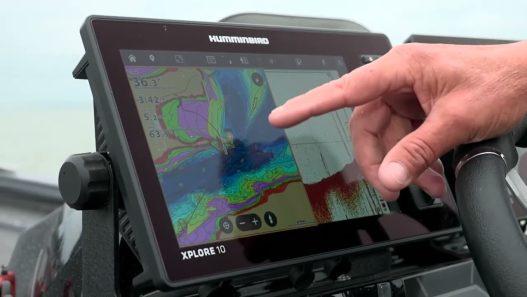
In sonar technology, chirp—compressed high-intensity radar pulse—is one of the new buzzwords. From low to high, Chirp sonar produces a continuous spectrum of sonar frequencies that offers a sharper and more finely detailed view of the water column. Anglers stand to gain from this technology in several important ways:
Better delineation of schools of baitfish and game fish made possible by chirp sonar lets anglers more precisely view the underwater habitat.
Chirp sonar presents amazing target separation, which facilitates the identification of bottom-hugging fish. When fishing over soft mud bottoms especially, this is quite helpful.
Drop-shotting is one of vertical fishing presentations where Chirp sonar excels. Easy visibility of the bait and fish facilitates targeting and catching of fish.
Anglers can acquire greater information and have better sonar readings by using chirp sonar, therefore facilitating fish finding. More successful fishing expeditions follow from fishermen’ more effective locating of fish made possible by this technology.
Factor of Forage Walleye Deepwater Angling
Targeting walleye in deepwater habitats calls for numerous successful methods and presentations. Although traditional methods like trolling crankbaits and live bait rigs have success, a more aggressive approach can produce fantastic results. One such method uses jigging wraps or rippin’ baits.
Pop jigging is fast combing a lot of deep water while aiming for fish that would bite. Speed, vibration, and sound are the secret to this strategy—that which sets off attacks. Pop jigging is a fast search-and- destroy method rather than a finesse fishing tool.
Anglers using this method must first aggressively pursue fish on their electronics. Once fish are found, baits are dropped to the bottom and just popped back into the boat. Anglers keep moving and keep looking for more fish even without strikes. Anglers using this strategy can cover a good volume of water all day.
The mood of the fish and the particular environment will affect the retrieve for pop jigging. With vertical fishing, a snapping retrieve can be successful; anglers snap the bait and follow it down before stopping momentarily. The methods and approaches applied in deep water walleye catching will be covered in this article. We will look at how sonar technology—more especially, chirp sonar—might enable fishermen find and catch more fish. We will also explore the several presentations and lures that work best in focusing walleye in these deepwater habitats. So let’s get right into learning how to raise our walleye fishing game!
Better Fish Finding with Chirp Sonar
In sonar technology, chirp—compressed high-intensity radar pulse—is one of the new buzzwords. From low to high, Chirp sonar produces a continuous spectrum of sonar frequencies that offers a sharper and more finely detailed view of the water column. Anglers stand to gain from this technology in several important ways:
Better delineation of schools of baitfish and game fish made possible by chirp sonar lets anglers more precisely view the underwater habitat.
Chirp sonar presents amazing target separation, which facilitates the identification of bottom-hugging fish. When fishing over soft mud bottoms especially, this is quite helpful.
Drop-shotting is one of vertical fishing presentations where Chirp sonar excels. Easy visibility of the bait and fish facilitates targeting and catching of fish.
Anglers can acquire greater information and have better sonar readings by using chirp sonar, therefore facilitating fish finding. More successful fishing expeditions follow from fishermen’ more effective locating of fish made possible by this technology.
Methodologies for Deepwater Walleye Fishing That Work
Targeting walleye in deepwater habitats calls for numerous successful methods and presentations. Although traditional methods like trolling crankbaits and live bait rigs have success, a more aggressive approach can produce outstanding results. One such approach is pop jigging with rippin’ baits or jigging wraps.
Pop jigging is fast combing a lot of deep water while aiming for fish that would bite. Speed, vibration, and sound are the secret to this strategy—that which sets off attacks. Pop jigging is a fast search-and- destroy method rather than a finesse fishing tool.
Anglers using this method must first aggressively pursue fish on their electronics. Once fish are found, baits are dropped to the bottom and just popped back into the boat. Anglers keep moving and keep looking for more fish even without strikes. Anglers using this strategy can cover a good volume of water all day.
The mood of the fish and the particular environment will affect the retrieve for pop jigging. With vertical fishing, a snapping retrieve can be successful; anglers snap the bait and follow it down before stopping momentarily. Walleye’s unusual conduct can set up a response strike.
Experimenting with several retrieves and presents helps one find the optimum fit for every particular day. Sometimes a slower retrieval combined with a more docile and unpredictable demeanor could be more successful. The secret is to believe in the retrieve and change with the fish’s mood and surroundings.
Tools and gear for effective walleye fishing
Deep water walleye fishing depends on having the correct gear. These are some main gear suggestions:
Fishing with jigging wraps or rippin’ baits calls for a medium-action rod with a quite soft tip. When a fish bites, this kind of rod lets the bend and hookset be right.
Line: Although many fishermen jig for wraps using fluorocarbon or braid, utilizing monofilament will really raise your chances of landing more fish. Recommended is a premium monofilament line, such Suffix Elite in 8-pound test. Using a barrel swivel roughly 15 to 18 inches above the bait helps also reduce line twist.
Reel: Successful walleye landing depends on a reel with a smooth drag akin to the Daiwa BG MQ reel. Fighting fish requires the required power and control, which this reel supplies.
Using chirp sonar technology will let you much better find and target walleye in deep water. More resolution, improved target separation, and especially great performance for vertical fishing presentations like drop-shotting come from chirp sonar.
Recognizing Walleye Feeding Patterns
Targeting walleye calls for knowledge of their eating patterns. Usually fed a range of diet, including crawfish, shiners, and insects, walleye are grazers. Often spotted in schools, they will migrate from one feeding area to another as the food source reduces.
Paying close attention to the vegetation on your preferred body of water will help you to regularly catch walleye. Knowing the many kinds of forage and their locations will help you decide where to target walleye and what kind of structures would be appropriate.

