







Snap jerking plastics for walleyes is a popular and effective technique, especially in areas like Eastern South Dakota with its abundance of lakes. In this article, we will explore the benefits of snap jerking plastics, the best baits to use, and the importance of boat control in walleye fishing.
In the upper Midwest and Great Lakes states, anglers look forward to two prime fishing months each year: June and October. While October is known as “trophy time,” when giants roam the depths, June is when everything bites. Whether you’re chasing crappies, smallmouth, largemouth, walleyes, or muskies, June offers incredible action across species.
This time, we set our sights westward—to the sprawling, shallow waters of eastern South Dakota. With rare calm winds in the forecast, we made the decision to take advantage of this narrow weather window and explore one of the many productive prairie lakes this region has to offer.
The Appeal of the Dakotas’ Prairie Lakes
Unlike the deeper mesotrophic lakes of Minnesota, the prairie lakes of South Dakota are typically shallow, nutrient-rich, and packed with fish. These waters, many of them under 15 feet deep, are biological engines thanks to their abundant food base—particularly freshwater shrimp. This critical forage feeds everything from bullheads to perch to walleyes, promoting exceptional growth rates.
Though six-pound walleyes are considered big in these lakes, there is an impressive abundance of healthy two- to four-pound fish. While they may not top the charts for size, their numbers and eagerness to bite make for thrilling days on the water.
High Water and the Perch Boom
We arrived to find water levels at all-time highs, a factor that significantly impacts fish populations. According to recent U.S. Geological Survey data, such high-water years trigger massive wildlife booms, particularly in perch. Over the next few years, expect to see these lakes teeming with jumbo 12- to 14-inch perch—even in shallow, swampy lakes that somehow resist winterkill despite minimal depth and sparse snow cover.
These high-water cycles make these already fertile lakes even more productive, creating angling opportunities that are hard to match.
Shallow All Season Long
A unique aspect of South Dakota’s prairie lakes is the year-round accessibility of shallow-water fish. Even in the heat of summer, when water temps push into the upper 70s or 80s, walleyes stay relatively shallow. They relate to weedlines, primary points, and subtle structural variations across the lake bottom.
Jigs and spinners dominate the presentation landscape here, and lipless crankbaits and shallow-running shad-style baits also have their place. Whether you’re fishing around submerged weed beds or bouncing jigs off offshore points, the opportunity for success is high.
Fishing Structure and Wind Direction
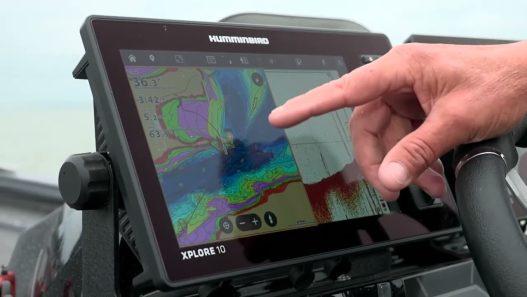
On this trip, our strategy focused on key structure, particularly points where the wind was blowing in. Using GPS coordinates and sonar, we hopped from spot to spot, targeting prime ambush areas. The underwater landscape was a minefield of structure—ideal habitat for active, feeding fish.
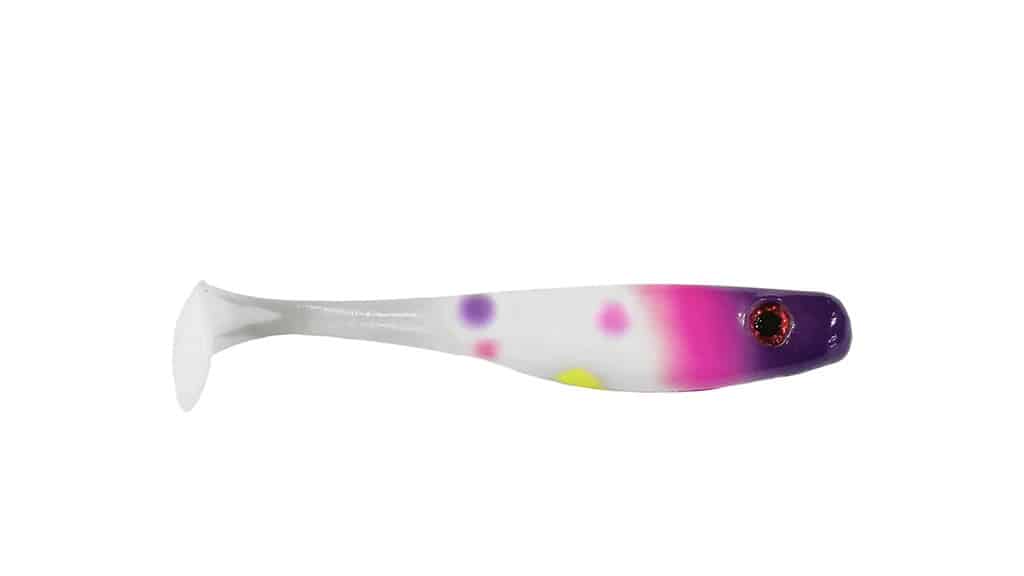
We were primarily using two presentations: the Big Bite Baits “Booktail” jig and the new four-inch “Slim Minnow” on a flat aspirin-head Muni Jig. The Slim Minnow’s split tail design offers a faster, more erratic action than the fluttering Booktail, allowing us to determine which style triggered the most bites on any given day.
Color Theory: Do Walleyes Care?
Absolutely. Color matters—especially in jigs. Building on the proven success of “hot” spinner and crankbait colors, we’ve seen those same hues deliver results in soft plastics. It’s not just about contrast or visibility—certain colors genuinely trigger more bites in specific conditions, making lure color an essential part of the presentation equation.
Presentation Versatility
Whether you’re popping and snapping your bait back to the boat, slow rolling it, or treating it like a live bait rig, versatility is key. The same jig can be worked multiple ways to match fish activity levels, bottom composition, or current conditions. Observing how walleyes respond—aggressively or subtly—helps dial in the most productive approach for the day.
Tactics, Tools, and the Importance of Presentation
Walleye fishing—especially in the shallow, windswept prairie lakes of South Dakota—demands precision and presentation. Controlled drifting is one of the most effective methods for covering water. By casting baits in 8 to 10 feet of water and slipping the boat along the weed edges, anglers can maintain contact with bottom structure and stay in the strike zone.
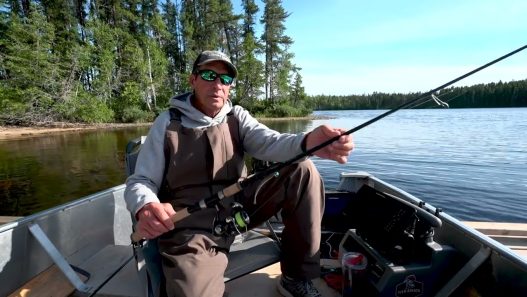
For this tactic, finely tuned gear is essential. The St. Croix Icon Snap Jig Rod (6’8″, medium power, extra-fast action) is ideally suited for this approach. It’s paired with a Daiwa Regal 2000 reel, a setup that provides both the sensitivity to detect light bites and the drag system to handle hard runs. The line configuration—10 lb Sufix 832 braid with a 4-foot section of 8 lb fluorocarbon leader attached via FG knot—offers a balanced, stealthy, yet strong connection to the lure.
Boat Control: The Unsung Hero
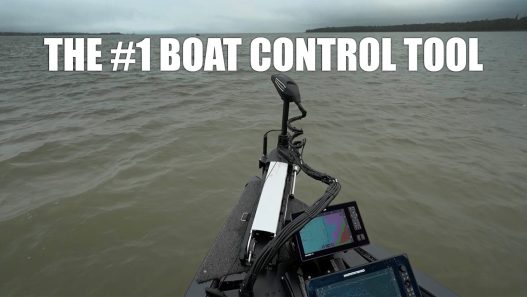
When fishing in windy conditions, few tools are as vital as a reliable trolling motor with GPS-based spot lock technology. The Minn Kota system used in this outing proved essential, allowing us to pin the boat over productive waypoints even in gusty winds. Spot lock let us stay on active schools of fish, catching multiple walleyes from the same location after marking key underwater features or weed lines.
These prairie walleyes—often found hugging the base or tops of weed edges—can be effectively targeted using slow, methodical presentations. Even in 4 feet of water, fish were aggressively striking jigs slipped past the structure. Boat control, combined with accurate electronics, made the difference in staying on the bite.
The Reward: Bread and Butter Walleyes
Throughout the day, we caught a steady stream of classic South Dakota walleyes—thick, healthy, golden fish in the 18″ to 22″ range. These are the “bread and butter” of prairie lake fishing—perfect eaters, ideal for the table, and a blast on light gear. While 26-inchers are considered trophies in these lakes, it’s the quantity and quality of the mid-range fish that keep anglers coming back.
These fish compare favorably with those from well-known fisheries in Minnesota and Wisconsin, with one major bonus: volume. The opportunity to set the hook again and again on energetic fish is what makes prairie lake fishing so addictive.