


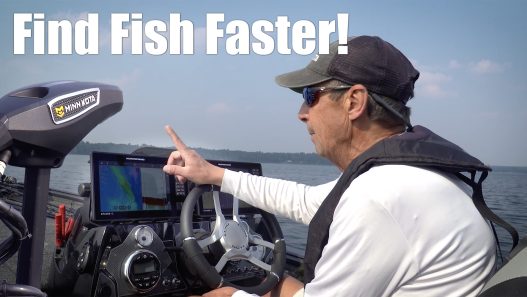






Al Lindner goes after postspawn weedline bass using jigs and rigs.
Mastering the Post-Spawn Weedline Bass Bite: A Day on the Water
Jake and Al had planned a dedicated postpawn weedline bass outing, and their early success wasn’t luck — it was knowledge in motion. Understanding the seasonal movements of bass is the key to consistent fishing. In this lake, the bass were in their post-spawn, early summer pattern. Water temperatures hovered around 73°F, and bluegills — a primary forage — had recently finished spawning.
Understanding Bluegill Behavior: The Key to Locating Bass
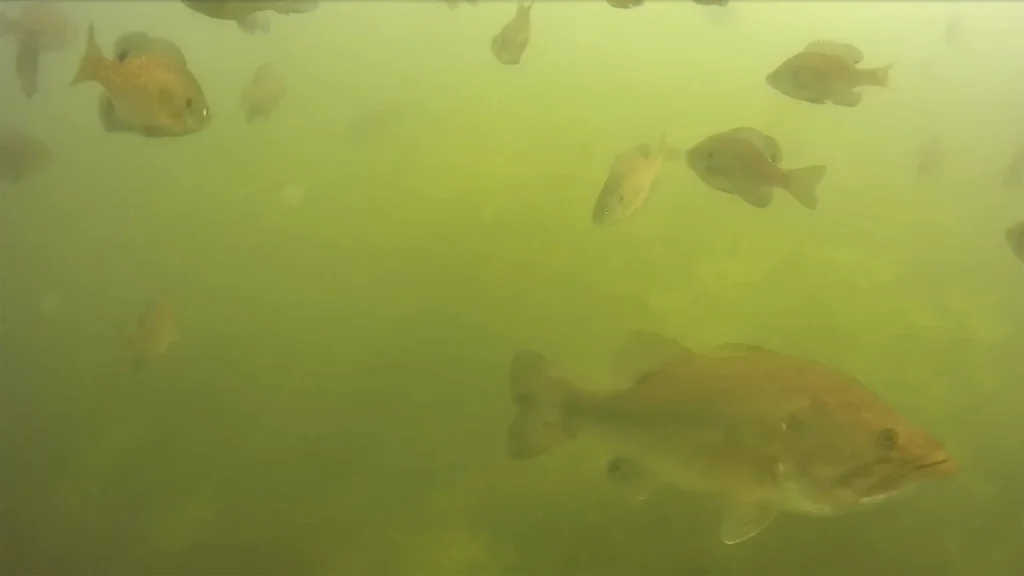
In the warm sun, especially in the afternoons, bluegills begin to lift off the bottom. They’re drawn to the sunlight, and as they rise, the bass follow. It’s like chumming the water: the bluegill activity draws in hungry largemouths from all around.
Some days, anglers can target these fish with crankbaits, swim jigs, or even topwater lures if conditions are calm. But early in the day, the bite was mostly on bottom presentations — jigs and Texas-rigged stick worms.
Utilizing technology like Humminbird MEGA Live imaging, Jake noticed bass already suspending higher in the water column. Pike and walleye were visible too — this lake was full of life, and it was shaping up to be a high-volume day.
Spot Breakdown: Why the Fish Were There
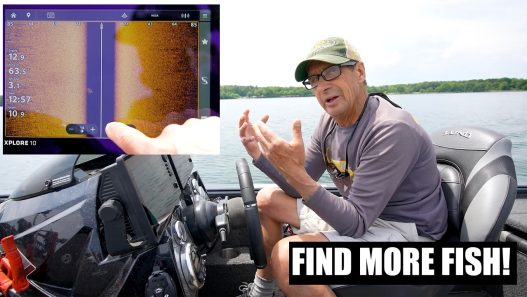
The anglers shared an insightful look at their electronics and lake map, pointing out a shallow water flat where bluegills had recently bedded. As the spawn concluded, they migrated to a 10-foot weedline, and the bass followed. Key areas included drop-offs, hard weed edges, and subtle points or irregularities in the weed line — classic ambush spots for largemouth.
In the north, bass relate to many different kinds of soft cover in shallow water: lily pads (small and giant), cattails, cut banks, bullrushes, and more. But out deeper, there are three primary weeds to look for:
• Cabbage: The top choice for northern largemouths
• Coontail: A close second
• Milfoil: Can be good but often requires punching tactics
Mixed weeds, often called “stinkweed,” also hold fish, but cabbage, coontail, and milfoil remain the big three.
Bottom Contact and Presentation Variety
The bass were hugging the bottom, so the initial focus was on jigs and jig worms. Jake and Al had multiple rods rigged with different lures to cover all parts of the water column as the fish behavior evolved throughout the day.
As the sun rose, they anticipated a shift: bluegills moving up would bring bass with them. The plan was to transition to mid-depth lures like swim jigs and crankbaits, eventually breaking out the topwaters if the fish became active near the surface. It’s a dynamic approach — one that requires preparation, multiple rod setups, and on-the-fly adjustments.
Jig Trailers That Make a Difference
As the fish size improved, so did the lure details. Al highlighted some of his go-to jig trailers from Big Bite Baits, one of the world’s largest soft bait manufacturers. Their lineup includes:
• Swimming Craw: Great for vertical or horizontal presentations; features a rattle cavity.
• Kamikaze Craw: Has patented claw holes that produce a bubble trail.
• College Craw: Unique in design and with a cause — 4% of its sales go toward college scholarships.
These trailers can make a real difference in triggering bites, especially in pressured waters. Al noted that craw-style trailers often outperformed boot tails in their northern fisheries.
Transitioning to Mid-Day Patterns
By mid-day, as the wind calmed and the sun climbed, the bass began moving up — exactly as predicted. Swim jigs and crankbaits like the OG 6 Fat began to produce. The bait’s wide wobble proved irresistible to both bass and the occasional pike.
Using the St. Croix Mojo Bass crankbait rod and a Tatula SV 6.3 reel, Al demonstrated the importance of matched gear. Their setups featured 17-pound Sufix fluorocarbon, a versatile line suitable for a range of techniques from swimming jigs to working stick worms. Equipment pairing is essential when covering multiple depths and lure types throughout the day.
Boat Control, Trolling Power, and Late Afternoon Bite
Wind became a serious factor, with gusts from the northwest making positioning difficult. But with the help of the Minn Kota QUEST trolling motor, they maintained precise boat control.
Al emphasized the motor’s power and efficiency — a true game changer in harsh conditions.
As the day shifted into late afternoon, the bite lit up again. Returning to a productive earlier spot yielded a flurry of solid largemouths. The fish were bigger, more aggressive, and clearly more active. Persistence paid off — the wind hadn’t let up, but neither had the anglers.
Power, Control, and the Afternoon Bite
By late afternoon, the wind picked up considerably, but thanks to Minn Kota’s Quest trolling motor, boat control remained tight and reliable. The motor’s power and efficiency stood out, even under demanding conditions.
And then the bite lit up. The fish began to cooperate, moving shallower again and hitting with aggression. Several quality largemouth were boated in rapid succession—some thick, post-spawn females just starting to regain weight after bedding.
Even in heavy wind and challenging conditions, persistence paid off. Jake and Al covered water methodically, picking off one fish here, another there, until a solid afternoon pattern emerged.
This segment was brought to you by Sunset Country, Ontario, Canada—a destination where the fish are always biting, and the adventures are endless.

