








Catching bass during the summer peak is the best time to catch lots of summer largemouth bass because the warm months bring an increase in bass activity. Knowing the best spots, tactics, and timing can significantly enhance your chances of a successful fishing trip. During the summer, bass tend to seek cooler and more oxygenated waters, leading them to specific locations within a body of water.
Crankin’ the Edge: Fourth of July Bass Fishing on the Weedline
A Fast Start to a Classic Pattern
With rods bent and drag screaming, the Independence Day weekend kicks off in the best way possible—on the water with aggressive largemouth bass smashing crankbaits. The early moments of this outing set the tone: doubles are already happening, and while not giants, the fish are plentiful and spirited. That’s the hallmark of midsummer bass fishing in the Midwest—especially when the fish have transitioned into their predictable seasonal patterns.
Summer Pattern: Weedlines Are the Highway
By the Fourth of July, the post-spawn shuffle has settled. Fish of all species—bass, walleyes, pike, crappies—are beginning to school up, and the weedline becomes the consistent focal point for action. On this day, the lake has a variety of fishable structure: bullrushes, docks, shallow slop, expansive flats, and the magic edge where weeds meet deeper water. As any seasoned angler knows, that outside weed edge is a magnet this time of year—and it’ll hold fish for months to come.
The key question becomes: do the bass want a vertical presentation (like a jig) or something moving horizontally (like a crankbait or swimbait)? That answer reveals the day’s pattern and tells you how to trigger more bites.
Dialing In: Inside Corners and Subtle Structure
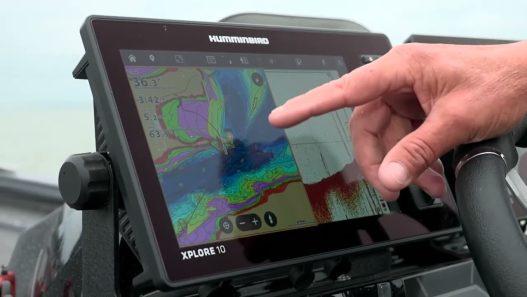
As the anglers work the weed edge, they begin to key in on a specific feature: an inside corner with a slightly deeper cut. On the sonar, it’s clear how tight that deeper water pushes into the weedline—a prime ambush point for bass waiting on baitfish to move through. Subtle dips, sharper breaks, and forage availability are everything. These fish are there for a reason.
And the action confirms it. Multiple bass come from that very pocket in rapid succession. When fish are grouped up like this, it’s a sign of a healthy, active school—and competition is fierce. Bites are hard, fast, and often come in doubles. That’s classic weedline behavior.
Early Summer Bites Are Special
This time of year, the first two weeks of July offer a special window before the fish become heavily pressured. It’s that brief period where bass are schooled tight, feeding aggressively, and largely unbothered by boats. On this outing, throwing a crankbait or a Texas-rigged craw into the same sweet spot over and over yields fish after fish.
Later in the season, these fish will spread out or become more selective. But right now, it’s boom, boom, boom—cast after cast. For northern natural lakes dominated by grass and clear water, this is one of the most productive periods of the entire summer.
Choosing the Right Tools: Crankbaits and Rods
To make the most of this bite, matching your gear to your presentation is critical. Crankbaits are ideal for covering vast weed edges, but not just any crank will do. Depth control is essential.
Here’s a breakdown of the rods being used and the strategy behind them:
- Legend Glass 8’6″ Medium-Heavy, Moderate Action: Designed for large crankbaits running 14 to 22 feet deep. Perfect for deep weedlines or offshore humps.
- Mid-Cranker Rod (7’0″): Ideal for baits like the OG Slim in 6-8 feet of water. A crankbait that dives slightly deeper than the target depth is key to make consistent bottom or weed contact.
- Power Glass Cranker (shorter rod): Also medium-heavy, moderate action. Great for precision crankbait work in mid-depth zones.
All rods are matched with 6.3:1 Daiwa Elite reels, and spooled with 12- to 14-pound Sufix fluorocarbon. While some anglers prefer slower gear ratios, this setup allows solid line pick-up speed and control—especially when working reaction baits through thick grass.
Efficiency and Coverage
The beauty of crankbaits lies in their ability to cover water quickly and efficiently. When the bite is on, few presentations match the speed at which you can identify the productive areas and capitalize. In this case, with large summer weed beds to explore, crankbaits shine. And when paired with a presentation-specific rod and the right gear ratio, you maximize both distance and accuracy.
As the fishing continues, the bite remains steady. Not every fish is a monster, but the action is constant. And in the background, the anticipation builds—because somewhere in that weedline jungle, the bigger bass are waiting.
Stay tuned for the next part of the adventure, where we continue dialing in the pattern and breaking down the tools, tactics, and fish behavior that make summer weedline fishing so rewarding.
Forward-Facing Sonar: More Than Fish Tracking
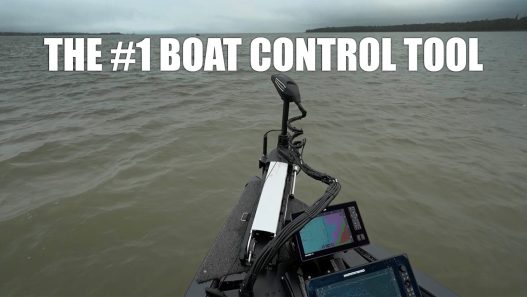
As the bite continues to fire, the anglers begin incorporating technology to refine their approach. One major asset? Forward-facing sonar—not necessarily for spotting individual fish but for understanding weed habitat layout.
Panning out up to 100 feet, the sonar reveals how far the weeds grow up in the water column, where they taper off, and how the structure changes. That information dictates crankbait selection. When targeting the deepest weed edge, a deep-diving crank is the go-to. But with a 4-foot or 7-foot diver rigged up on deck, there’s instant flexibility depending on what’s revealed on the screen.
This kind of situational awareness—using sonar to pre-scan habitat and make informed lure decisions—makes the process far more efficient and effective.
Whacking and Stacking
And with the habitat dialed in, the bites keep coming. The school is still holding tight, and both anglers continue to land chunky fish. One moment highlights the energy of the day: a big bass follows a hooked fish right to the boat. That’s a telltale sign of competition in the school—and reason enough to fire another cast immediately.
Though no 4-pounders hit the net, the sheer volume of bass speaks to the health of the fishery and the effectiveness of the technique. As the anglers say, they’re “whacking and stacking.” The key is staying mobile along the edge, switching baits when needed, and taking full advantage of this short but potent early summer window.
Seasonal Transition and the Weedline’s Role
As the summer pattern takes hold, it becomes the longest phase of the year for northern bass. While pre-spawn, spawn, and post-spawn are relatively short-lived, summer stretches from early July into September. And through it all, the weedline remains a central piece of the puzzle.
Deep, clear northern lakes with weed edges that extend down to 20 feet or more are the norm here. That’s where fish of all species—bass, pike, crappie, walleye—congregate and feed. Inside edges, outside edges, points, and corners—all are fair game. Matching the presentation to the scenario is key: vertical (jigs, tubes, drop shots) or horizontal (crankbaits, swim jigs).
On this outing, both presentations work, but each has its time and place. And that’s the essence of successful fishing—adapting to what the lake and the fish tell you.
One of the prime spots to target during the summer is shaded areas, such as weeeds, docks, overhanging trees, or submerged vegetation. These spots provide relief from the intense sunlight and offer bass a comfortable environment to ambush prey. Additionally, deeper structures like submerged rocks, ledges, and drop-offs become crucial, as bass may retreat to cooler depths during the hottest parts of the day. Locating these structures on a topographical map or using a fishfinder can be instrumental in pinpointing the best fishing locations.
When it comes to tactics, topwater lures can be highly effective during the early morning and late evening hours. As the sun begins to rise or set, bass is more likely to be near the water’s surface, making them susceptible to lures like buzzbaits, poppers, or frogs. As the day progresses and the sun beats down, transitioning to deeper-running lures like crankbaits, jigs, or Carolina rigs can prove successful. Slow presentations and mimicking the movements of natural prey become crucial in enticing bites from the more sluggish bass in the summer heat.
Timing plays a crucial role in summer bass fishing. While dawn and dusk are typically productive, the early morning hours are often considered the prime time during the summer. Bass are more active and willing to chase down prey before the day becomes excessively hot. However, don’t discount the nighttime bite, as bass may become more active in the cooler hours after sunset. Adjusting your fishing schedule to avoid the midday heat can also contribute to a more enjoyable and successful bass fishing experience during the summer peak.

Fishing Weeds For Summer Largemouth Bass
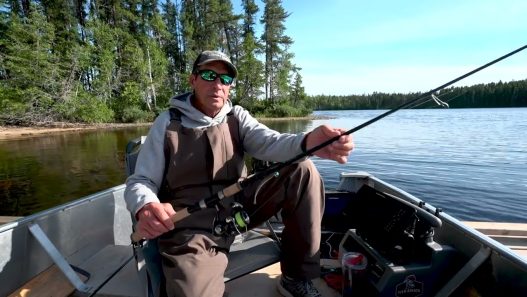
Al and James Lindner often fish the weeds during this period, which are very common areas in the lake they fish. During this time of year, when the fish have just moved out to the weed edges, the fishing can be phenomenal. The fish are bunched up and haven’t been heavily pressured yet. This pattern usually starts around the Fourth of July weekend and can last for about two weeks.
A great way to start the day is for anglers to be using different types of lures and presentations. For instance, the person in the back of the boat could be using a swimming a jig, while his partner is throwing a crankbait from the front of the boat. Both options can be effective, so it’s important to experiment and see what the fish are responding to on any given day.
The Power of Crankbaits For Summer Largemouth Bass
Crankbaits are a great tool for quickly covering a lot of water, which is necessary when fishing in weed lakes. Different types of crankbait rods he uses, each designed for specific depths and lure sizes. He also mentions the importance of selecting a crankbait that runs slightly deeper than the depth of the water you’re fishing.
Summer is a prime time for bass fishing in weed lakes. The fish are often bunched up on the weed edges, making it a great opportunity to catch them using crankbaits and jigs. Paying attention to the habitat and the depth of the weeds can help determine the best bait to use.

